Introduction
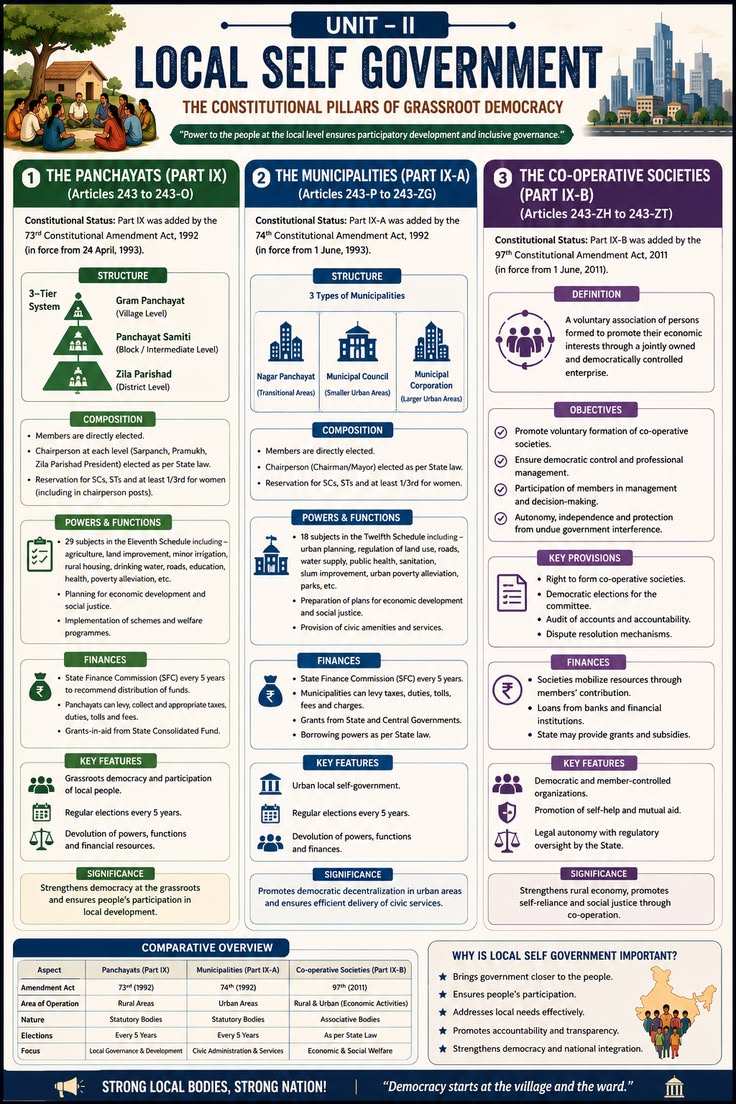
Local government is an important part of the government system because it brings public administration closer to the people. It helps communities identify their needs, manage local affairs, and improve the quality of life of residents. Without effective local government, many everyday community problems may be harder to address quickly.
In Nigeria, local government councils have responsibilities that include maintaining certain local roads, managing markets and motor parks, supporting sanitation, providing public conveniences, and participating in local economic development. The Fourth Schedule of the Nigerian Constitution outlines these and other functions of local government councils.
Local government also works with state and federal institutions in areas such as primary healthcare, education, agriculture, and community development. Its importance is therefore not limited to building roads or collecting local fees; it also includes helping residents participate in decisions that affect their communities.
This article explains ten reasons why local government is important to our community and how it can contribute to a better standard of living.
1. It Brings Government Closer to the People
One of the greatest benefits of local government is that it brings leadership closer to the people.
The federal government handles national issues, while state governments manage many state-level responsibilities. Local government focuses on problems that affect individual communities, towns, villages, and neighbourhoods.
For example, residents may notice that a local road has developed potholes, a drainage channel is blocked, or rubbish is accumulating in a public area. They can raise these concerns with their local representatives and relevant council departments.
Because local officials operate within the community, they may be better positioned to understand local conditions and identify practical solutions.
This closeness can also make it easier for residents to attend meetings, report problems, and ask questions about public services.
When local government listens to residents and responds effectively, people can feel more involved in the development of their community.
2. It Helps Improve Local Infrastructure
Local government is important because it can help provide and maintain infrastructure that residents use every day.
Infrastructure includes roads, drainage systems, streetlights, public spaces, and other facilities that support community life. The Nigerian Constitution assigns local government councils responsibilities relating to certain roads, streets, drains, parks, and public facilities.
For example, a damaged road connecting a residential area to a market can make travelling difficult for traders, workers, and students. Repairing the road can improve access and reduce delays.
Similarly, maintaining drainage channels can help rainwater flow more effectively and reduce some problems associated with blocked drains.
Good infrastructure supports transportation, trade, education, and access to essential services. It can also make a community more attractive to businesses and visitors.
However, local authorities must plan projects carefully, use public funds responsibly, and work with state or federal agencies when a project falls outside their direct responsibilities.
3. It Promotes Environmental Cleanliness
A clean environment is essential for healthy and comfortable living. Local government helps promote cleanliness through waste disposal arrangements, sanitation activities, maintenance of public conveniences, and environmental awareness.
When rubbish is left in public places or dumped into gutters, it can create unpleasant surroundings, block drainage channels, and attract pests. These problems may affect residents' health and safety.
Local government can help by organising refuse collection, maintaining public spaces, providing appropriate disposal facilities, and enforcing relevant sanitation regulations.
For example, a council may work with a community development association to organise a clean-up campaign in a market or residential neighbourhood.
Residents also have responsibilities. They should dispose of waste properly, avoid blocking drains, and keep their surroundings clean.
When local authorities and residents cooperate, they can create a cleaner environment and improve the appearance of their community.
4. It Supports Public Health and Healthcare Services
Local government is important to public health because it can support community health initiatives and work with the appropriate health authorities to improve access to basic services.
Primary healthcare centres may provide immunisation, maternal and child healthcare, health education, and referrals for further medical treatment. Local councils can help identify gaps in service delivery and coordinate with state and federal health agencies.
For example, residents in a rural community may have difficulty reaching a healthcare facility. Local authorities can help raise this concern with the relevant agencies and support appropriate community health programmes.
Local government can also contribute to health promotion by supporting sanitation, clean public spaces, and awareness campaigns.
The National Primary Health Care Development Agency works with state and local government institutions to strengthen primary healthcare services in Nigeria.
Effective healthcare depends on qualified health workers, essential medicines, reliable facilities, and adequate funding. Cooperation between different levels of government is therefore necessary.
5. It Encourages Economic Development
Local government can help strengthen the community's economy by supporting markets, small businesses, farmers, traders, and other local economic activities.
Markets are important places where people buy and sell food, clothing, household goods, and other products. Local authorities have responsibilities relating to the establishment, maintenance, and regulation of markets and motor parks.
For example, a well-maintained market with good drainage, clean facilities, and organised trading spaces can provide a better environment for traders and customers.
Local government can also support economic development by improving access roads, sharing information about vocational training, and connecting residents with available business support programmes.
In farming communities, better roads and market facilities can make it easier for farmers to transport their produce and reach buyers.
Although local government cannot create every job directly, it can help establish conditions that support businesses and income-generating activities.
A stronger local economy can improve household incomes and create more opportunities for residents.
6. It Supports Education and Skills Development
Education is important for the development of individuals and the community as a whole. Local government can contribute by working with education authorities, supporting relevant school projects, and encouraging vocational and adult learning programmes.
In some communities, schools may need classroom repairs, desks, toilets, learning materials, or safer access roads. Local councils can help identify these problems and work with the appropriate education agencies to address them.
Local government may also support community literacy activities and practical skills programmes where resources and local arrangements permit.
For example, a vocational training programme could help young people learn tailoring, catering, computer repairs, or other useful skills. These skills may help participants find employment or start small businesses.
Education responsibilities are shared across different levels of government, so cooperation is essential.
When communities have access to better learning opportunities, young people can develop their abilities and prepare for future employment.
7. It Encourages Community Participation
Local government is important because it gives residents opportunities to participate in decisions about local development.
People who live in a community often understand its problems very well. They know which streets flood, where rubbish accumulates, which public facilities need repairs, and what services are missing.
Local councils can organise community meetings, public consultations, and discussions with residents and community leaders.
For example, if a council plans to use part of its budget for community improvements, residents may be consulted about whether drainage repairs, market improvements, or road maintenance should receive priority.
Community participation can help local government understand people's needs and avoid spending resources on projects that do not solve urgent problems.
Residents should also be able to ask questions about projects, request appropriate public information, and raise concerns about service delivery.
When people participate in local decisions, they can contribute ideas and help monitor development.
8. It Helps Promote Social Welfare and Inclusion
A strong community should provide opportunities for different groups of people, including children, older residents, people with disabilities, and low-income households.
Local government can help identify residents who need assistance and connect them with relevant social welfare services, community organisations, and state or federal programmes.
For example, a local authority may work with community groups to help vulnerable residents find information about available healthcare services, educational assistance, or social support.
Local councils can also consider accessibility when maintaining public facilities, markets, and walkways.
Fair access to services matters because people should not be excluded from community life because of poverty, disability, age, or personal circumstances.
Support programmes should use transparent eligibility requirements and fair procedures.
By encouraging inclusion, local government can help create a community where more residents have the opportunity to participate and benefit from development.
9. It Helps Maintain Public Order and Safety
Local government contributes to a better community by maintaining public facilities, supporting environmental safety, and working with relevant authorities on local concerns.
For example, damaged walkways, poorly maintained public spaces, blocked drains, and inadequate lighting can create difficulties for residents. Addressing these problems can make public areas more accessible and comfortable.
Local authorities may also support community awareness programmes and cooperate with the appropriate security agencies when residents raise concerns about safety.
However, professional policing and law enforcement have their own legal authorities. Local government should work with those institutions rather than replace them.
Residents can contribute by reporting hazards, protecting public property, and participating in lawful community safety activities.
When public spaces are maintained and community concerns are addressed, residents may find it easier to travel, trade, study, and participate in local events.
10. It Encourages Accountability and Better Leadership
Local government is important because residents can engage with their local representatives and seek explanations about decisions affecting their community.
Public resources should be used to provide services and improve living conditions. Transparent leadership helps residents understand how projects are selected, how money is spent, and whether promised work has been completed.
For example, if a council announces a drainage project, residents can monitor its progress and ask appropriate questions about delays, quality, or completion.
Local government can encourage accountability by publishing relevant information, explaining budgets, holding public meetings, and establishing clear channels for complaints.
Residents also have responsibilities. They should participate peacefully in civic activities, ask questions respectfully, and report suspected wrongdoing through appropriate channels.
Accountability can help improve trust between the public and local officials. It can also encourage better planning and more responsible management of public resources.
Challenges That Can Reduce the Importance of Local Government in Practice
Although local government has important responsibilities, it may not always deliver the expected results.
Some councils face inadequate funding, insufficient infrastructure, weak planning, shortages of skilled personnel, or poor financial accountability. In other cases, projects may be delayed because local authorities must coordinate with state or federal agencies.
These challenges can prevent communities from receiving the full benefits of local administration.
To improve performance, local governments need transparent budgeting, responsible leadership, effective monitoring, community participation, and cooperation with other public institutions.
Residents should also have access to clear information about available services and how to report problems.
How Can Residents Help Their Local Government?
Community development works best when residents participate responsibly. People can help by:
-
Attending community meetings and sharing their concerns.
-
Keeping their surroundings clean and disposing of waste properly.
-
Reporting damaged roads, blocked drains, and public safety hazards.
-
Protecting public facilities from damage.
-
Asking for information about local projects and budgets through appropriate channels.
-
Participating in lawful community development activities.
-
Monitoring public projects and reporting suspected misuse of resources.
These actions do not replace the government's responsibility to provide services. Instead, they help authorities understand local needs and allow residents to contribute to community improvement.
Frequently Asked Questions (FAQs)
Why is local government important to our community?
Local government is important because it brings public administration closer to residents, supports local services, helps address community problems, and provides opportunities for public participation.
What are the main functions of local government in Nigeria?
Its functions include responsibilities relating to local roads, markets, motor parks, public conveniences, refuse disposal, street naming, house numbering, and birth, death, and marriage registration. It also participates in areas such as primary education, agriculture, and health services under the constitutional framework and applicable arrangements.
How does local government help poor communities?
It can support infrastructure, sanitation, local markets, community development, and access to relevant social services. Its effectiveness depends on funding, planning, and cooperation with other agencies.
How can citizens make local government more effective?
Citizens can attend meetings, raise concerns, request public information, protect community facilities, monitor projects, and use lawful channels to report problems.
What happens when local government does not perform its duties effectively?
Communities may experience poor infrastructure, inadequate sanitation, weak public services, and reduced confidence in public institutions. Transparent oversight, responsible leadership, and public participation can help address these problems.
Conclusion
Local government is important to our community because it helps bring government closer to residents and supports the services and facilities people depend on every day.
Through local infrastructure, sanitation, public health support, economic development, education-related initiatives, community participation, social welfare, public safety, and accountability, local government can contribute to a better quality of life.
However, having a local government council is not enough. It must plan carefully, manage public resources responsibly, listen to residents, and work with other institutions where responsibilities overlap.
Community members also have an important role in protecting public property, raising concerns, and monitoring development projects.
A strong local government can help build a stronger community by responding to people's needs, using resources wisely, and creating opportunities for everyone to participate in local development.
SEO Elements for WordPress
SEO Title: Why Is Local Government Important to Our Community?
Focus Keyword: Why is local government important to our community?
Meta Description: Discover why local government is important to our community, including its role in roads, sanitation, healthcare, education, economic development, and public participation.
URL Slug: why-local-government-is-important-to-our-community
Related Keywords: Importance of local government, role of local government in Nigeria, local government functions, community development, grassroots governance, public services.
Suggested WordPress Tags: Local Government, Community Development, Nigeria, Grassroots Governance, Public Services, Local Administration, Community Improvement.