Introduction
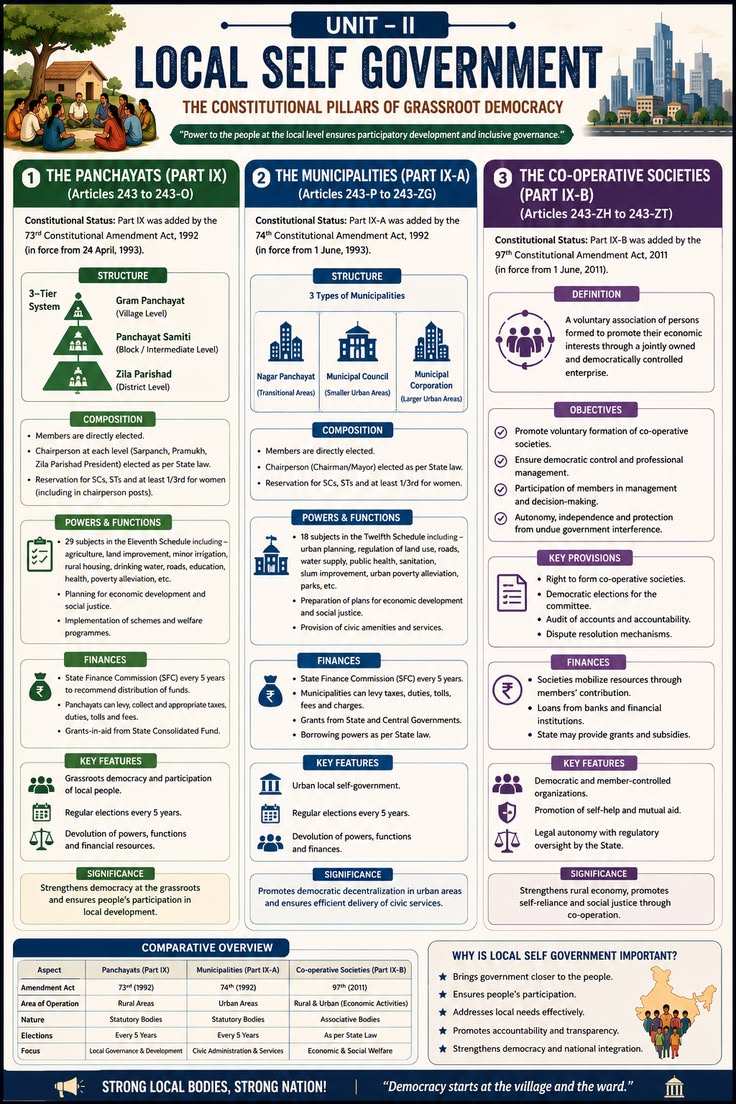
Local government plays an important role in improving communities by providing essential services, maintaining public facilities, supporting economic activities, and encouraging residents to participate in development. It is the level of government closest to the people and is often in a good position to understand the everyday challenges facing towns, villages, and neighbourhoods.
In Nigeria, local government councils have responsibilities that include maintaining certain local roads, managing markets and motor parks, supporting sanitation, providing public conveniences, and participating in economic planning. Some responsibilities, such as education and healthcare, require cooperation with state and federal institutions. These functions are outlined in the Fourth Schedule of the Nigerian Constitution.
A well-managed local government can help create a cleaner environment, improve access to public services, support small businesses, and make communities safer and more comfortable to live in.
This article explains 10 practical ways local government can improve the community, with examples relevant to Nigeria.
1. Improve Local Roads and Transportation
One of the most effective ways local government can improve a community is by maintaining local roads and supporting better transportation.
Good roads make it easier for residents to travel to work, take children to school, visit health centres, and transport goods to markets. Poor roads can increase transport costs, damage vehicles, and make some areas difficult to reach, particularly during the rainy season.
Local government councils can inspect roads within their responsibilities, repair damaged sections, maintain drainage channels, and work with state authorities when larger projects are required.
For example, a rural community may have a road connecting farms to a local market. If the road is full of potholes, farmers may struggle to transport their crops. Repairing the road can reduce transportation difficulties and help farmers reach buyers more easily.
Councils should prioritise roads based on community needs, traffic levels, safety concerns, and available funding.
2. Provide Clean Water and Improve Sanitation
Access to clean water and proper sanitation is essential for a healthy community. Local government can contribute by supporting public water projects, maintaining public toilets, organising sanitation activities, and coordinating with the relevant water and environmental agencies.
In some communities, residents must travel long distances to collect water. Others depend on sources that may be unsafe or unreliable. Local authorities can work with state agencies, development partners, and community organisations to identify practical solutions.
For example, a community may need a borehole, improved drainage, or repairs to an existing public water facility. Local government can help assess the need, coordinate the project, and establish arrangements for maintenance.
Sanitation is equally important. Regular waste collection, proper disposal facilities, and public education can reduce littering and help prevent blocked drains.
Residents should also be encouraged to avoid dumping rubbish in waterways and drainage channels.
When clean water and sanitation improve, communities can enjoy healthier living conditions and more attractive public spaces.
3. Strengthen Primary Healthcare Services
Local government can help improve community health by supporting primary healthcare facilities and community-based health programmes in cooperation with state and federal health authorities.
Primary healthcare is often the first point of contact for people seeking medical assistance. Local health centres may provide services such as immunisation, maternal and child healthcare, health education, and referrals to larger hospitals.
For example, a rural community with a poorly maintained health centre may have difficulty accessing basic medical services. Local authorities can work with health agencies to identify shortages, improve facilities within their responsibilities, and help residents connect with available programmes.
Nigeria's National Primary Health Care Development Agency supports states and local government areas in planning and strengthening primary healthcare. Its Community Health Influencers, Promoters and Services programme also connects households with health services, especially in underserved communities.
Local government can help identify gaps, support health awareness campaigns, and encourage residents to use available services.
However, successful healthcare improvement also requires qualified health workers, essential medicines, adequate funding, and effective coordination between government agencies.
4. Create Employment and Support Small Businesses
Local government can improve communities by supporting local businesses and helping residents access employment and entrepreneurship opportunities.
Small businesses are important sources of income in Nigeria. Examples include food vendors, tailors, mechanics, farmers, barbers, market traders, and digital service providers.
Local authorities can support these businesses by maintaining market facilities, providing clear information about relevant permits and fees, organising business information sessions, and connecting entrepreneurs with available training programmes.
For example, a council could work with a vocational training centre to provide young people with training in tailoring, computer repairs, catering, or electrical installation. Participants could then seek employment or establish their own businesses.
Local government can also help improve the environment in which businesses operate by maintaining roads, drainage, public markets, and motor parks.
These actions can support economic activity, although creating sustainable employment also depends on wider factors such as access to electricity, finance, and reliable infrastructure.
5. Improve Education and Skills Development
Education gives people the knowledge and skills they need to build better futures. Local government can contribute to community education by working with relevant education authorities, supporting school-related projects, and encouraging adult learning and vocational training.
Depending on the state's arrangements, local councils may help identify problems affecting primary schools and raise them with the responsible education agencies.
For example, a community may report that a school needs classroom repairs, desks, toilets, or better access roads. Local government can help coordinate responses and support improvements within its authority and budget.
Councils can also work with community organisations and training centres to encourage adult literacy, digital skills, and vocational education.
Practical skills programmes can help young people prepare for opportunities in agriculture, construction, technology, fashion design, and other industries.
Improving education requires more than buildings. Communities also need qualified teachers, suitable learning materials, safe classrooms, and support for children from disadvantaged households.
6. Maintain Markets and Public Facilities
Local markets, motor parks, public toilets, recreational spaces, and other shared facilities contribute to community life and economic activity.
Local government can improve these facilities through regular maintenance, sanitation, fair administration, and appropriate infrastructure projects.
For example, a market with damaged stalls, blocked drains, and poor waste collection may be uncomfortable for traders and customers. The council can assess the problems, plan repairs, and improve sanitation arrangements.
Well-maintained markets can help traders display their products, attract customers, and operate in a cleaner environment.
Motor parks also need suitable facilities and effective management to support passengers, drivers, and transport operators.
Public spaces such as parks and recreation areas can provide places for exercise, social interaction, and community events.
Local government should consult users when planning improvements and ensure that public facilities remain accessible to different groups, including older people and people with disabilities.
7. Promote Agriculture and Rural Development
Agriculture provides livelihoods for many Nigerian families. Local government can support farmers by helping identify their needs and coordinating with agricultural extension officers and other relevant institutions.
Farmers may need information about planting methods, pest management, soil improvement, storage, processing, and access to markets.
For example, a council could work with agricultural officers to organise a training session on reducing post-harvest losses. Farmers could learn how to store crops more effectively and identify suitable markets for their produce.
Local government can also support rural development by improving relevant access roads, maintaining local markets, and helping communities communicate their needs to state agricultural programmes.
In farming communities, these improvements can make it easier to transport crops, obtain supplies, and sell produce.
Agricultural support should reflect local conditions. The needs of a community that produces cassava may differ from those of a community that focuses on fishing, livestock, or vegetable farming.
By working with residents and agricultural experts, local government can help rural communities make better use of their resources.
8. Improve Waste Management and Environmental Protection
A clean environment makes a community more pleasant and can help reduce certain health and safety risks.
Local government can improve waste management by arranging appropriate refuse collection, maintaining public spaces, supporting recycling initiatives, and educating residents about responsible waste disposal.
For example, a council may identify an area where residents regularly dump rubbish illegally. It can provide suitable disposal arrangements, explain the relevant rules, and work with community groups to keep the area clean.
Local authorities can also support the maintenance of drains and help address environmental problems that contribute to flooding.
Public awareness campaigns can encourage residents to keep their surroundings clean, avoid burning waste where it creates harmful pollution, and protect streams and other waterways.
Environmental protection is a shared responsibility. Government must provide workable systems, while residents and businesses should use them properly.
Regular monitoring and fair enforcement can help make sanitation programmes more effective over time.
9. Encourage Community Participation and Transparency
Local government can improve a community by listening to residents and involving them in decisions about public projects.
People who live in a community often understand its most urgent problems. They may know which streets flood during heavy rain, where water is difficult to access, or which public facilities need repairs.
Local councils can hold community meetings, consult traditional and community leaders, engage youth groups, and invite residents to share their priorities.
For example, a council with a limited development budget may need to decide between repairing a local road, improving a market, or upgrading drainage. Consulting residents can help identify the most urgent needs and explain the reasons behind the final decision.
Transparency is equally important. Residents should be able to obtain clear information about planned projects, budgets, contractors, and project progress through appropriate public channels.
Councils should also provide ways for people to submit complaints and report concerns.
When residents can participate meaningfully and monitor public spending, local development can become more responsive and accountable.
10. Support Vulnerable People and Promote Safety
A strong community should provide opportunities for all residents, including older people, people with disabilities, low-income households, and other vulnerable groups.
Local government can help identify residents who need support and connect them with available social welfare services, community organisations, or relevant state and federal programmes.
For example, a council may work with local organisations to identify children who need educational assistance or older residents who require help accessing available services.
Local government can also support community safety through environmental improvements, public lighting where appropriate, cooperation with lawful security agencies, and community awareness initiatives.
Well-maintained streets, accessible public spaces, and functioning transport facilities can make daily activities easier and may help address certain safety concerns.
Safety initiatives should respect people's rights and involve the appropriate authorities. Local councils should not replace the responsibilities of professional law enforcement agencies.
By promoting inclusion and supporting vulnerable residents, local government can help communities become more welcoming and resilient.
Challenges That Can Prevent Local Government from Improving Communities
Even when community needs are clear, several challenges can slow development.
Inadequate funding: Limited resources can delay road repairs, sanitation projects, and improvements to public facilities.
Poor accountability: Weak financial controls or inadequate oversight can reduce the benefits of public spending.
Insufficient planning: Projects may fail when authorities do not assess community needs, maintenance costs, or long-term requirements.
Limited public participation: Decisions made without consulting residents may not address the most urgent problems.
Poor coordination: Some services require cooperation between local, state, and federal institutions. Delays can occur when responsibilities are unclear.
These challenges can be addressed through realistic planning, transparent budgeting, regular project monitoring, community consultation, and cooperation between government agencies.
Conclusion
Local government can improve a community in many practical ways. It can maintain local roads, support clean water and sanitation initiatives, strengthen primary healthcare, encourage small businesses, contribute to education, maintain markets, support agriculture, manage waste, promote public participation, and help vulnerable residents access services.
However, meaningful development requires more than announcing projects. Local authorities must identify genuine needs, use public funds responsibly, maintain completed facilities, and measure whether their work improves residents' lives.
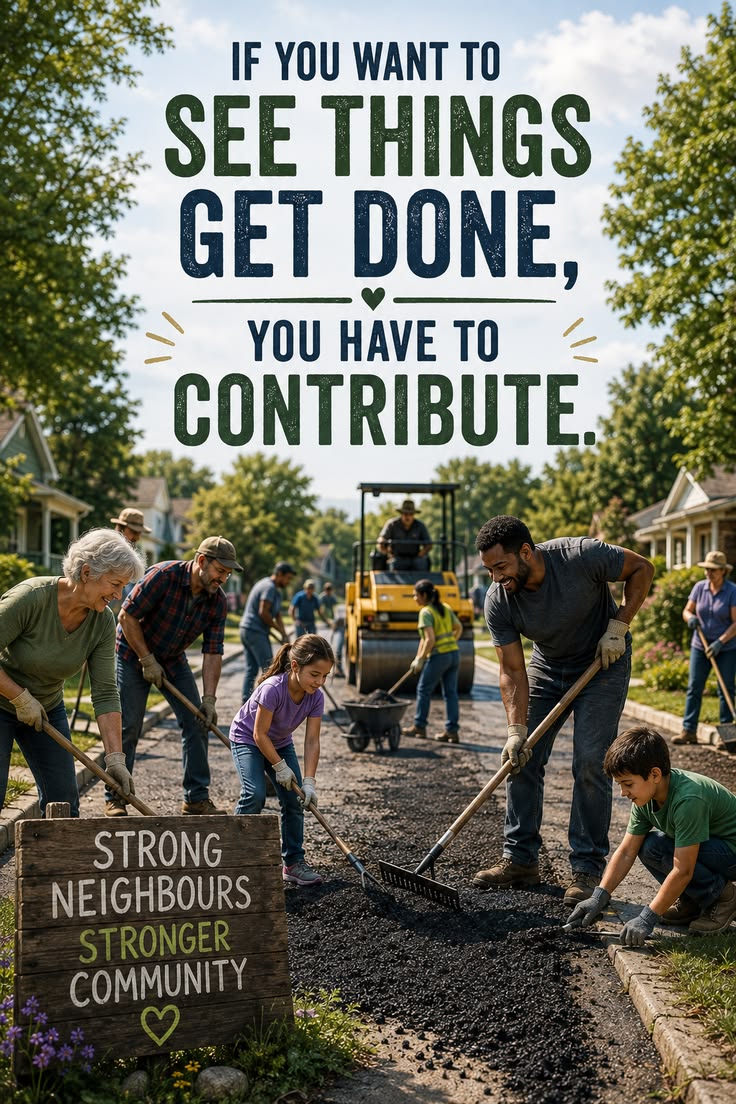
Community members also have an important role. They can attend meetings, report local problems, protect public facilities, maintain clean surroundings, and monitor public projects.
When local government listens to residents, plans carefully, and manages resources transparently, it can help build a cleaner, healthier, safer, and more prosperous community.
SEO Elements for WordPress
SEO Title: How Can Local Government Improve the Community? 10 Practical Ways
Focus Keyword: How can local government improve the community?
Meta Description: Discover 10 ways local government can improve communities through roads, healthcare, education, sanitation, employment, agriculture, and public participation in Nigeria.
URL Slug: how-local-government-can-improve-the-community
Related Keywords: Local government and community development, improving communities in Nigeria, role of local government, local government services, grassroots development, community improvement strategies.
Suggested WordPress Tags: Local Government, Community Development, Nigeria, Grassroots Development, Public Services, Rural Development, Governance.