Search Results

Found 7 result(s) for "football"

Advertisement
Who Is the Most Popular Footballer in Nigeria? Meet Victor Osimhen Sports

Who Is the Most Popular Footballer in Nigeria? Meet Victor Osimhen

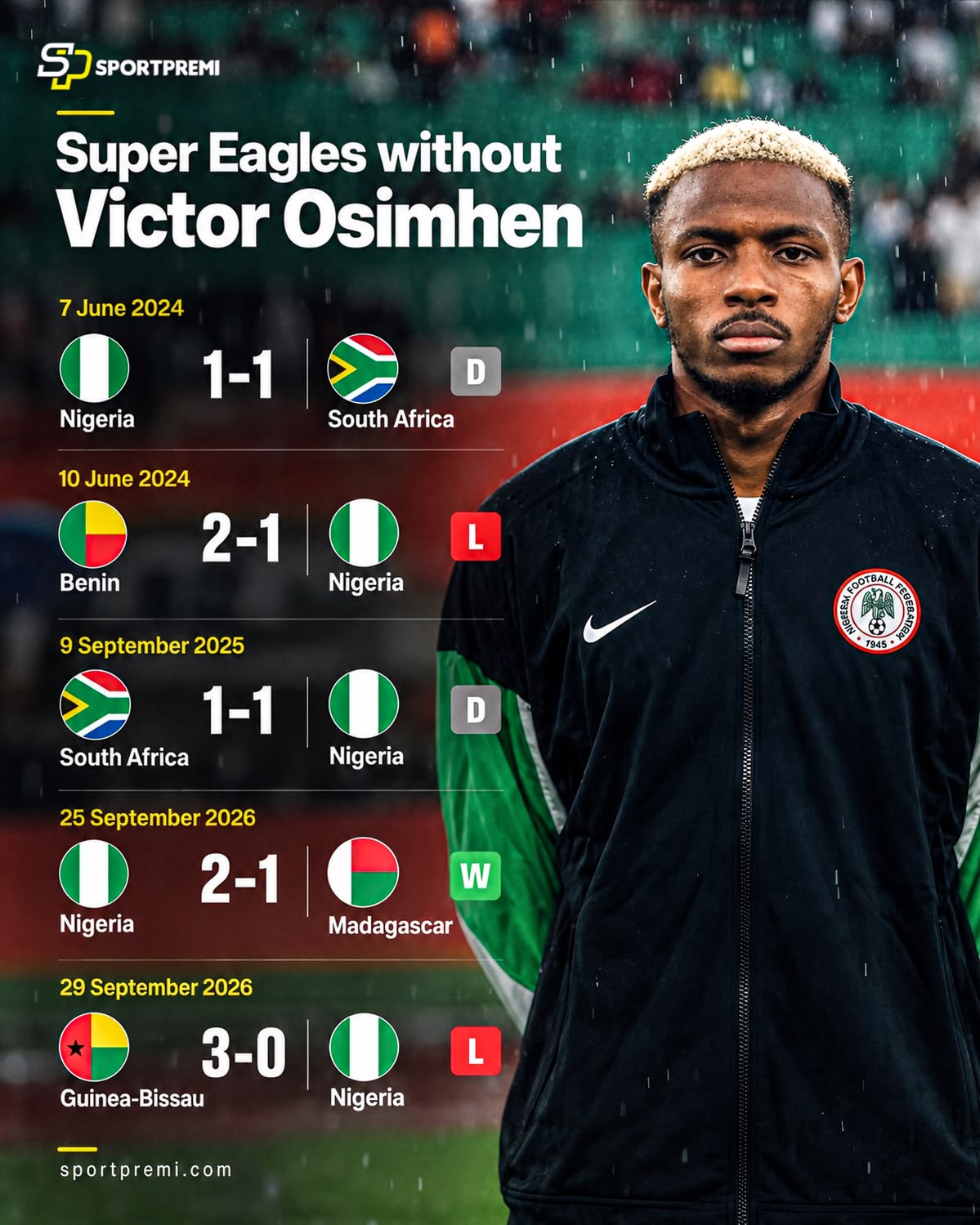
  Football is one of the most loved sports in Nigeria. From busy streets and school playgrounds to viewing centres and football academies, millions of Nigerians follow the game with passion. Football fans support local clubs, watch European leagues, celebrate the Super Eagles, and proudly follow Nigerian players competing abroad. Among the country's many talented footballers, one name stands out in discussions about popularity: Victor Osimhen. Known for his goalscoring ability, determination, and inspiring journey from Lagos to international football, Osimhen has become one of the most recognisable active Nigerian football stars. However, Nigeria has produced many other popular players, including Alex Iwobi, Ademola Lookman, Ahmed Musa, Asisat Oshoala, and legendary former internationals such as Jay-Jay Okocha and Nwankwo Kanu. So, who is the most popular footballer in Nigeria? This article explores Osimhen's popularity, his achievements, the other footballers Nigerians admire, and the reasons football stars attract so much attention in the country. Who Is the Most Popular Footballer in Nigeria? Victor Osimhen is a strong candidate for the title of Nigeria's most popular active male footballer. His performances for club and country, international recognition, and large social-media following have helped him become a major figure in Nigerian football. Osimhen also received significant recognition in September 2026 when he won the King of the Pitch award at the Nigeria Pitch Awards. The award recognised his contribution to Nigerian football during 2025. He also won the Rashidi Yekini Award for Best Striker of the Year. These achievements reinforce his standing among Nigeria's leading football personalities. Nevertheless, there is no single, universally accepted measurement that proves one player is the most popular with every Nigerian. Some fans may prefer Osimhen, while others admire former stars, midfielders, women's footballers, or players who represent their favourite European clubs. For that reason, Osimhen is best described as one of Nigeria's most prominent and popular active footballers rather than the undisputed favourite of every fan. Who Is Victor Osimhen? Victor James Osimhen is a Nigerian professional footballer who plays as a striker. He was born on 29 December 1998 in Lagos, Nigeria. Osimhen grew up in a family facing financial challenges. His journey into professional football required determination, discipline, and the willingness to take opportunities when they appeared. His international breakthrough came during the 2015 FIFA Under-17 World Cup in Chile. Osimhen scored ten goals in the tournament as Nigeria won the competition. His performances attracted international attention and helped establish him as a promising young striker. He subsequently developed his career in European football, playing for clubs including VfL Wolfsburg, Charleroi, Lille, and Napoli before joining Galatasaray. His time at Napoli was especially memorable because he helped the Italian club win the Serie A title in the 2022–23 season. That championship was particularly significant because Napoli had not won the Italian league title since 1990. Osimhen's goals and attacking performances made him one of the most celebrated players in the club's modern history. Why Is Victor Osimhen So Popular in Nigeria? Several factors explain why Osimhen attracts attention from Nigerian football supporters. 1. His goalscoring ability Osimhen is known for his powerful finishing, movement inside the penalty area, and ability to challenge defenders. He can score with his head, finish from close range, and use his pace to exploit spaces behind defensive lines. These qualities make him an important attacking player for both club and country. For Nigerian fans, watching a homegrown talent succeed against some of the strongest defenders in Europe is a source of pride. 2. His success in European football Performing well in a major European league can increase a player's international visibility. Osimhen's success in Italy and Türkiye has helped him attract supporters beyond Nigeria. His contribution to Napoli's Serie A title-winning campaign was particularly important. He also won the 2023 African Player of the Year award, confirming his status among the continent's leading footballers. 3. His connection with Nigerian supporters Many fans appreciate Osimhen's journey from Lagos to the highest levels of professional football. His story illustrates how talent, opportunity, and persistence can combine to create a successful sporting career. Young Nigerians who hope to become professional footballers can see aspects of their own ambitions in his journey. 4. His performances for the Super Eagles The Nigerian national team plays an important role in bringing football fans together. Players who represent the Super Eagles in major competitions can become national sporting figures. Osimhen's goals and attacking contributions have made him an important part of conversations about Nigeria's hopes in African and international competitions. 5. His online popularity Social media allows fans to follow players outside matchdays. Instagram, TikTok, Facebook, and other platforms provide access to training videos, personal updates, celebrations, and interviews. Osimhen has developed a substantial online following. A 2025 ranking published by Afrik-Foot placed him first among Nigerian footballers in its social-media-following comparison, although follower counts change over time and do not necessarily represent the preferences of every fan. Other Popular Footballers in Nigeria Although Osimhen is a leading candidate, several other footballers enjoy considerable support among Nigerians. Alex Iwobi Alex Iwobi is a Nigerian midfielder known for his technical ability, movement, and versatility. He has played in the English Premier League for clubs including Arsenal, Everton, and Fulham. Iwobi is valued for his ability to carry the ball forward, connect midfield with attack, and operate in different positions. He is also a regular subject of discussion among Super Eagles supporters. His experience in English football and international competitions has helped him maintain a strong profile among Nigerian fans. Ademola Lookman Ademola Lookman has attracted attention through his attacking performances and achievements in European football. The forward became particularly prominent after helping Atalanta win the 2024 UEFA Europa League, scoring a hat-trick in the final against Bayer Leverkusen. Lookman's ability to dribble, create chances, and finish attacks has made him an important player for Nigeria. His success demonstrates that Nigerian footballers can make a major impact in European club competitions. Ahmed Musa Ahmed Musa remains one of the most recognisable names in Nigerian football. He represented the Super Eagles at major international tournaments and became famous for scoring twice against Argentina at the 2014 FIFA World Cup. Musa also captained Nigeria and contributed to the country's success at the 2013 Africa Cup of Nations. Although his career stage differs from that of younger stars, his achievements have secured him a lasting place in Nigerian football history. Asisat Oshoala Asisat Oshoala is one of Nigeria's most accomplished women's footballers. She has represented the Super Falcons at international tournaments and played for major clubs, including Barcelona's women's team. Oshoala has won multiple African Women's Player of the Year awards and has helped raise the visibility of women's football across Africa. When discussing the most popular footballers in Nigeria, it is important not to overlook women's football. Oshoala has inspired many young girls who hope to pursue professional careers in the sport. Jay-Jay Okocha Augustine "Jay-Jay" Okocha is a legendary former Nigerian midfielder celebrated for his dribbling, creativity, and entertaining style of play. Okocha played for clubs including Eintracht Frankfurt, Paris Saint-Germain, Fenerbahçe, and Bolton Wanderers. His technical ability made him a favourite among fans who enjoy creative attacking football. Even after retirement, he remains a familiar name in discussions about Nigeria's greatest footballers. Nwankwo Kanu Nwankwo Kanu is another Nigerian football legend. He enjoyed success with Ajax, Inter Milan, and Arsenal, among other clubs, and represented Nigeria at major international tournaments. Kanu was part of Nigeria's gold-medal-winning team at the 1996 Olympic Games. His achievements have helped preserve his popularity among older supporters and younger fans learning about Nigerian football history. What Makes a Footballer Popular in Nigeria? Popularity is not based on goals alone. Several factors influence how Nigerians connect with footballers. Performance: Players who deliver goals, assists, saves, and strong defensive performances naturally attract attention. National pride: Representing Nigeria successfully can build a special relationship between a player and supporters. Personality: Interviews, public behaviour, and interactions with fans can influence a footballer's image. Club success: Winning major trophies or performing well in famous leagues can introduce a player to a wider audience. Media exposure: Television, online publications, and social media help determine which players remain in the public conversation. Inspiration: Players who overcome difficulties and achieve success can become role models for aspiring footballers. These factors explain why different players may be considered the most popular depending on the age group, location, club loyalty, or method used to measure popularity. How Can Fans Measure a Footballer's Popularity? There are several ways to compare the popularity of footballers, but each method has limitations. Social-media followers: These numbers measure online audiences, not necessarily how many people actively support a player. Awards and polls: These can show recognition from voters or fans, but the result depends on who participates. Search interest: Search rankings show what people look for online, which may be influenced by transfers, controversies, and major matches. Match performances: Goals, assists, trophies, and international achievements help explain a player's reputation, although sporting success is not the same as popularity. Public recognition: A player's name recognition can be widespread even among people who do not follow their club regularly. For example, a Nigerian footballer might receive millions of online followers while another player earns greater admiration for international achievements. Both can be popular in different ways. Conclusion Victor Osimhen is one of the strongest candidates for the title of Nigeria's most popular active male footballer in 2026. His goalscoring ability, European club achievements, contribution to the Super Eagles, and public recognition have made him a major figure in Nigerian sport. His success is also part of a much larger story. Alex Iwobi, Ademola Lookman, Ahmed Musa, and Asisat Oshoala have all contributed to the popularity and development of Nigerian football. Legends such as Jay-Jay Okocha and Nwankwo Kanu continue to inspire supporters through their achievements. Ultimately, the answer depends on what popularity means to each person. If the focus is on current recognition, club success, and international profile, Osimhen has a strong case. If the focus is on historical influence, other Nigerian football icons deserve consideration too. What remains clear is that Nigeria continues to produce footballers who attract attention at home and around the world. Frequently Asked Questions 1. Who is the most popular footballer in Nigeria in 2026? Victor Osimhen is a leading candidate among active Nigerian male footballers, thanks to his club performances, national-team profile, and recognition at the Nigeria Pitch Awards in 2026. There is no single definitive survey covering every Nigerian fan. 2. Who is the most famous Nigerian footballer in history? Jay-Jay Okocha, Nwankwo Kanu, Rashidi Yekini, and other former internationals are among the country's most famous football figures. The answer depends on the criteria used, including trophies, international impact, and public recognition. 3. Who is the most popular female footballer in Nigeria? Asisat Oshoala is one of Nigeria's best-known female footballers. Her club achievements, international career, and multiple African Women's Player of the Year awards have made her a prominent figure in women's football. 4. Why is Victor Osimhen famous? Osimhen is famous for his goalscoring, performances for the Super Eagles, contribution to Napoli's 2022–23 Serie A title, and recognition as the 2023 African Player of the Year. 5. Who is the most followed Nigerian footballer on social media? Victor Osimhen has ranked highly in published comparisons of Nigerian footballers' social-media followings. Exact rankings can change as follower counts increase, so current figures should be checked directly on the platforms. 6. Which Nigerian footballers inspire young players? Osimhen, Okocha, Kanu, Oshoala, Lookman, and Iwobi are among the footballers whose careers provide examples of achievement at different levels of the game.
Oct 19, 2026 • 1
Who Are the Rising Stars in Football? Young Talents to Watch in 2026 Sports

Who Are the Rising Stars in Football? Young Talents to Watch in 2026

  Football is constantly producing new talents who capture the attention of fans, coaches, scouts, and major clubs. While established superstars continue to dominate headlines, a new generation of footballers is working hard to become the next household names in the sport. These young players bring speed, creativity, technical ability, and fresh energy to the game. The rising stars in football are not limited to Europe. Africa, South America, Asia, and other regions are developing talented players who have the potential to influence the future of international football. Some have already made their senior-team debuts, while others are gaining experience through youth competitions and academy systems. In 2026, attention is focused on exciting young talents such as Lamine Yamal, Arda Güler, Kenan Yıldız, Max Dowman, Abdellah Ouazane, and several promising African players. Their performances demonstrate how quickly young footballers can progress when they combine natural ability with hard work and the right opportunities. This article explores some of the rising stars in football, their strengths, what makes them special, and why football fans should follow their progress. What Does It Mean to Be a Rising Star in Football? A rising star is a footballer who is beginning to attract attention because of outstanding performances, technical ability, consistency, or potential for future success. These players may be teenagers or young adults who are establishing themselves in professional football. A rising star does not necessarily need to play for a famous club. A young footballer competing in a smaller league can also become a major prospect if they demonstrate exceptional ability. Several factors help identify a rising football star: Technical ability: The player demonstrates excellent passing, dribbling, shooting, or defensive skills. Tactical intelligence: They understand positioning, movement, and the demands of their role. Consistency: They perform well regularly rather than relying on one impressive match. Mental strength: They respond positively to pressure, mistakes, and competition. Room for development: They show the potential to improve through coaching and experience. Although these qualities can indicate a promising future, success is never guaranteed. Injuries, limited playing time, transfers, and other challenges can affect a young player's development. 1. Lamine Yamal – Spain's Exceptional Young Attacker Lamine Yamal is one of the most widely recognised young talents in modern football. The Spanish attacker became famous for his performances at a remarkably young age, combining technical quality with confidence against experienced defenders. Yamal is known for his close control, quick changes of direction, accurate passing, and ability to create opportunities from wide positions. He can move inside from the wing, take on opponents, and deliver dangerous passes into the penalty area. One of his most impressive qualities is his decision-making in tight spaces. Rather than relying entirely on speed, he often uses body movement and intelligent positioning to create room for himself. Yamal's progress is important because modern football increasingly rewards attackers who can create chances in several ways. He represents a generation of players who can contribute to both possession-based attacks and quick transitions. However, maintaining his level will require careful physical management, continued learning, and consistency across demanding club and international competitions. 2. Arda Güler – A Creative Midfield Talent from Türkiye Arda Güler is another young footballer attracting attention for his vision and technical ability. The Turkish international is capable of playing as an attacking midfielder or in a wider attacking role. Güler's major strengths include his passing range, ability to find space, close control, and creativity around the penalty area. He can unlock defensive lines with a well-timed pass or create shooting opportunities with his left foot. Creative midfielders often face a difficult challenge: they must produce attacking moments while also contributing to the team's overall structure. Güler's development depends partly on how effectively he balances these responsibilities. His technical qualities make him an exciting player to follow as he gains experience at the highest level. 3. Kenan Yıldız – A Versatile Attacker for the Future Kenan Yıldız has emerged as an important young attacking talent for Türkiye. He is known for his dribbling, close control, movement, and ability to operate in different attacking positions. Yıldız can play as a winger or an attacking midfielder, giving his team flexibility when building attacks. He is comfortable carrying the ball forward and attempting to create scoring opportunities himself. His versatility is valuable in modern football, where coaches frequently change formations and attacking roles during matches. As Yıldız continues to develop, improving consistency, defensive contribution, and decision-making in the final third will be important steps in his progression. 4. Max Dowman – Arsenal's Teenager to Watch Max Dowman is one of the young English talents attracting attention at Arsenal. His technical ability and attacking instincts have made him an exciting prospect within English football. Dowman's rise has been particularly notable because of the records he set as a teenager in the Premier League. According to the Premier League's 2026/27 young-player coverage, he became the competition's youngest goalscorer during the previous season. He can operate in advanced attacking positions and has the potential to influence matches through dribbling, movement, and creativity. Nevertheless, young players need time to adapt to the physical and tactical demands of senior football. Regular minutes, patient coaching, and appropriate expectations will be important to Dowman's development. 5. Abdellah Ouazane – Morocco's Promising Midfielder African football continues to produce exciting young players, and Abdellah Ouazane is one to watch. The Moroccan attacking midfielder has attracted attention for his technical control and ability to influence play. Ouazane was named Player of the Tournament when Morocco won the 2025 CAF Under-17 Africa Cup of Nations. His performances helped demonstrate the strength of Morocco's youth-development system. His style is built around close control, creativity, and the ability to help his team maintain possession. These qualities can be valuable against opponents who defend in compact formations. The next stage of his development will involve translating youth-level success into consistent performances in senior football. His progress will depend on playing opportunities, coaching, and how he adapts to stronger opponents. 6. Ibrahim Mbaye – Senegal's Exciting Young Winger Ibrahim Mbaye is another African talent attracting international attention. The Senegalese winger developed through Paris Saint-Germain's system before moving to Aston Villa in September 2026, according to the Confederation of African Football's recent coverage. Mbaye's game is based on direct running, acceleration, and attacking confidence. Wingers with these qualities can stretch defensive lines, create space for teammates, and make dangerous runs behind opposing defenders. He also represents the growing movement of African youngsters into prominent European clubs at an early age. For Mbaye, the challenge will be turning his potential into consistent first-team performances. Adapting to a new club, earning playing time, and making good decisions in the final third will all be important. 7. Christian Kofane – A Striker to Follow Christian Kofane is a Cameroonian striker whose progress has drawn attention in European football. He moved to Bayer Leverkusen after developing his reputation in Spain, and he has shown promise as a centre-forward. Kofane offers physical strength, movement inside the penalty area, and the ability to challenge defenders. A striker needs more than finishing ability: good positioning, pressing, link-up play, and timing runs are also important. His development will be worth watching as he gains experience against experienced defenders in competitive league matches. For Cameroon, the emergence of young attacking players can also provide greater depth for the national team and create competition for places in future squads. 8. Noah Sadiki – A Midfielder with Defensive Strength Noah Sadiki of the Democratic Republic of the Congo is a young midfielder whose qualities include mobility, ball-winning, and composure in possession. Midfielders like Sadiki are valuable because they connect defensive and attacking phases. They may not always receive the same attention as goalscoring forwards, but their work can help a team maintain balance and control. Sadiki has established himself in the Premier League with Sunderland. His experience at senior level gives him opportunities to improve his positional awareness and ability to cope with the pace of English football. As he develops, his passing under pressure and contribution to attacking transitions will be important areas to monitor. 9. Caleb Yirenkyi – Ghana's Emerging Midfield Talent Caleb Yirenkyi is a Ghanaian midfielder who has attracted attention for his versatility and performances in European football. A graduate of Ghana's Right to Dream Academy, Yirenkyi earned recognition in Denmark before moving to Coventry City in August 2026. He was named the Danish Superliga's Young Player of the Year for the 2025/26 season. His ability to operate in central midfield and contribute in different tactical roles makes him an interesting prospect. Versatile players can help coaches adjust their systems without making multiple substitutions. For Ghana, young players such as Yirenkyi offer an opportunity to strengthen the national team's midfield options over the coming years. 10. Othmane Maamma – Morocco's Attacking Prospect Othmane Maamma is another Moroccan player worth following. The winger played a significant role in Morocco's victory at the 2025 FIFA Under-20 World Cup. His attacking approach includes movement with the ball, direct runs, and the ability to challenge defenders in one-on-one situations. Wingers who can create their own chances are particularly useful against teams that defend deep. Maamma's performances at youth level earned recognition, including a place among the nominees for the 2025 CAF Young Player of the Year award. The next step is to continue developing at senior level, where defenders are more experienced and opportunities can be harder to find. Why Are Young Footballers Becoming More Important? Young players are increasingly important to professional clubs for sporting and financial reasons. 1. Modern academies are developing talent earlier Professional academies provide structured coaching, fitness programmes, tactical education, and competitive opportunities. These systems help talented players learn the demands of professional football before reaching the senior team. 2. Clubs need fresh energy and tactical flexibility Young footballers can bring pace, creativity, and intensity. Depending on their development, they may also adapt to different formations and playing styles. 3. Youth development can reduce transfer costs Developing players internally can be less expensive than purchasing established stars. Successful academy graduates may also become valuable assets for their clubs. 4. International tournaments provide a platform Under-17, under-20, and senior international competitions allow players to compete against different styles of football. Strong performances can introduce young talents to a wider audience. 5. Social media increases visibility Clips of goals, assists, and impressive dribbles can spread quickly online. This helps fans discover new players, although a short video does not always reveal a player's overall performance or consistency. What Challenges Do Rising Football Stars Face? Becoming a professional footballer is difficult, and reaching the top level is even more challenging. Pressure and expectations: Young players may be labelled the next superstar before they have established themselves. Unrealistic expectations can create unnecessary pressure. Competition for playing time: A talented youngster may have to compete with experienced internationals for a place in the starting eleven. Injuries and physical development: Training and match schedules can be demanding. Clubs must manage workloads carefully, particularly for teenagers who are still developing physically. Consistency: One excellent performance does not guarantee a successful career. Players need to perform well across different opponents, competitions, and tactical systems. Transfers and adaptation: Moving to another country can involve learning a language, adapting to a new culture, and adjusting to a different style of football. Support from coaches, family members, teammates, and medical staff can help young players manage these challenges. How Can Fans Identify the Next Football Superstar? Fans can look beyond headlines and viral clips when evaluating young footballers. First, observe how consistently a player performs. A promising midfielder should demonstrate more than one spectacular pass, while an effective striker should contribute through movement and teamwork even when they do not score. Second, consider the player's role. A defender should be assessed through positioning, decision-making, tackling, and reading the game—not only goals or assists. Third, pay attention to the level of competition. Strong performances against senior professionals can provide different evidence from success in youth tournaments. Finally, remember that development is not always straightforward. Some players improve rapidly in their teenage years, while others reach their best level later. Comparing every young footballer with an established superstar can create unfair expectations. Conclusion The rising stars in football represent the future of the sport. From Lamine Yamal and Arda Güler to Max Dowman, Abdellah Ouazane, Ibrahim Mbaye, Christian Kofane, Noah Sadiki, Caleb Yirenkyi, and Othmane Maamma, a new generation is attracting attention across different leagues and countries. Their skills, achievements, and development paths are different, but they share an opportunity to make a lasting impact on the game. Their eventual success will depend on consistency, fitness, decision-making, coaching, and the opportunities they receive. For football fans, following these players is an exciting way to discover emerging talent before they become established stars. However, the most important thing is to judge their progress over time rather than assume that every promising teenager will become a global superstar. Frequently Asked Questions (FAQs) 1. Who are the rising stars in football in 2026? Some exciting young players to watch include Lamine Yamal, Arda Güler, Kenan Yıldız, Max Dowman, Abdellah Ouazane, Ibrahim Mbaye, Christian Kofane, Noah Sadiki, Caleb Yirenkyi, and Othmane Maamma. 2. Who is the youngest rising star in football? Max Dowman is among the youngest highly publicised prospects in senior English football. However, there are talented teenagers in academies around the world, so there is no single answer that covers every competition and country. 3. Which African young footballers should fans watch? Abdellah Ouazane, Ibrahim Mbaye, Christian Kofane, Noah Sadiki, Caleb Yirenkyi, and Othmane Maamma are among the African talents attracting attention for their performances and potential. 4. What makes a young footballer a rising star? Technical ability, tactical understanding, consistent performances, mental strength, and the potential to improve are important indicators. No single quality guarantees a successful career. 5. Can a young footballer become a superstar quickly? Yes, some players establish themselves at the highest level at a young age. However, many careers develop gradually, and long-term success usually requires patience, hard work, and continued improvement. 6. How do football clubs discover rising stars? Clubs use academy scouting, live match observation, youth tournaments, performance analysis, and recommendations from scouts and coaches to identify promising players. SEO Details for WordPress SEO title: Who Are the Rising Stars in Football in 2026? Top Young Talents Focus keyword: Rising stars in football Meta description: Discover the rising stars in football in 2026, including exciting young talents from Europe and Africa, their strengths, achievements, and future potential. URL slug: rising-stars-in-football Related keywords: Young football players 2026, best young football talents, future football stars, African rising football stars, promising footballers, young players to watch. Suggested WordPress tags: Football, Rising Stars, Young Footballers, African Football, Football News, Future Stars, Football Talents.

Oct 19, 2026 • 1
Who Was the First African Football Player to Play in Europe? The Story of Arthur Wharton Sports

Who Was the First African Football Player to Play in Europe? The Story of Arthur Wharton

  Introduction African footballers are now among the most recognisable stars in European football. Players from Nigeria, Ghana, Senegal, Morocco, Ivory Coast, Cameroon, and other African countries compete in major leagues and represent some of the biggest clubs in the world. However, the history of African footballers in Europe began long before modern stars such as Mohamed Salah, Victor Osimhen, Sadio Mané, and Achraf Hakimi. One of the most important pioneers was Arthur Wharton, a footballer born in the Gold Coast, now Ghana, who moved to England in the 1880s. He is widely recognised as the world's first Black professional footballer. His career helped open an important chapter in football history, even though he faced racial prejudice and financial difficulties. It is important to be precise about the question. Historians have not conclusively established the first African-born footballer ever to play in Europe. However, Wharton is one of the earliest and best-documented African-born pioneers in English football. This article explores his life, career, achievements, challenges, and lasting influence on African footballers playing in Europe today. 1. Who Was Arthur Wharton? Arthur Wharton was born on 28 October 1865 in Jamestown, in the Gold Coast, which is now part of Accra, Ghana. He came from a family with Ghanaian, Grenadian, and Scottish connections. Wharton initially travelled to England to train as a Methodist missionary. However, he discovered that he had exceptional sporting abilities and eventually concentrated on athletics and football. He was not simply a talented footballer. Wharton was also an accomplished athlete who competed in sprinting and other sports. According to the Arthur Wharton Foundation, he became the first officially recognised athlete to run 100 yards in exactly 10 seconds, achieving the feat in 1886. His sporting achievements were remarkable for the period in which he lived. Wharton's football career is particularly important because he competed during a time when Black athletes faced significant discrimination and received far less recognition than many of their white contemporaries. The Arthur Wharton Foundation preserves information about his life and sporting legacy. 2. When Did Arthur Wharton Begin Playing Football in England? Wharton moved to England in the early 1880s. He began playing football during the early development of organised club football, when the sport was becoming increasingly popular throughout Britain. He played for Darlington and later Preston North End. His performances helped establish his reputation as a talented goalkeeper. Preston North End was one of the leading clubs of the period. Wharton was part of the team that reached the FA Cup semi-finals during the 1886–87 season. At the time, football was undergoing significant changes. Clubs were becoming more organised, competitions were attracting larger audiences, and the debate over professionalism was growing. Wharton initially played as an amateur before becoming a professional footballer. His career therefore provides an important record of the early transition from amateur sport to professional football in England. Although it is difficult to prove that he was the first African-born person ever to play football in Europe, his documented career makes him one of the earliest major African-born figures in English football history. 3. Why Is Arthur Wharton Considered the First Black Professional Footballer? Arthur Wharton is widely recognised as the first Black professional footballer in the world. In 1889, he signed professionally for Rotherham Town. The English Football League identifies him as the first Black professional footballer in its history, noting his signing in that year. Wharton later played for Sheffield United during the 1894–95 season. This made him one of the pioneering Black footballers to compete at the highest level of English league football at the time. His achievement was significant because professional football was still developing, and racial prejudice restricted opportunities for Black athletes. Wharton's presence on the pitch challenged assumptions about who could participate in organised football. His sporting ability demonstrated that talent was not limited by skin colour or geographical background. The English Football League's historical records identify his professional signing as an important moment in the history of the game. 4. Was Arthur Wharton the First African Footballer in Europe? The answer requires some care. Wharton is one of the earliest well-documented African-born footballers to play in England, but it is difficult to establish definitively that he was the very first African footballer to play anywhere in Europe. Historical football records from the nineteenth century are incomplete. Some matches were not recorded in the same detail as modern games, and information about the backgrounds of early players was not always preserved. It is also important to distinguish between three different historical claims: First African-born footballer in Europe: The earliest individual is not conclusively established by the commonly cited historical records. First Black professional footballer: Arthur Wharton is widely recognised for this achievement. First Black international footballer: Andrew Watson is widely recognised for this distinction. These claims describe different milestones and should not be confused. Wharton's importance does not depend on proving that no African-born player appeared in Europe before him. His documented professional career and achievements are sufficient to make him a major figure in football history. 5. Who Was Andrew Watson, and Why Is He Important? Andrew Watson was another pioneering Black footballer, but his story is different from Wharton's. Watson was born in British Guiana, now Guyana, in 1856. He played for Scottish clubs and represented Scotland internationally. In March 1881, Watson captained Scotland in a 6–1 victory over England. He is widely recognised as the first Black international footballer. Watson was an accomplished defender who played for prominent amateur clubs, including Queen's Park and Corinthians. He also won important Scottish trophies. His career began before Wharton became a professional footballer. However, Watson was born in South America rather than Africa, so he should not be described as the first African-born footballer in Europe. The Scottish Football Museum's profile of Andrew Watson provides further information about his career and achievements. Both Watson and Wharton helped shape football history at a time when Black players were rarely given the recognition they deserved. 6. The Challenges Arthur Wharton Faced Wharton's sporting achievements were remarkable, but his life was not easy. During the nineteenth century, racial prejudice was common in British society. Black athletes often faced discriminatory attitudes and unequal treatment. Despite his talent, Wharton did not enjoy the fame, financial security, or long-term recognition that many modern professional footballers receive. After his playing career, he experienced financial difficulties and eventually died in 1930. He was buried in an unmarked grave in Edlington, England, before campaigns led to his grave receiving a headstone in 1997. His story illustrates how important sporting figures can be overlooked when historical recognition is shaped by racial inequality. Today, organisations such as the Arthur Wharton Foundation work to preserve his memory and promote equality through sport. His life is a reminder that football history includes not only trophies and victories but also the personal struggles of players who helped change the game. 7. How Arthur Wharton Influenced African Footballers in Europe Wharton played long before African players began arriving in Europe in large numbers. Nevertheless, his story forms part of the longer history of Black participation in European football. Over time, more African players began building careers in European clubs. Improved scouting, international migration, professional academies, and stronger football networks helped connect African talent with European opportunities. In later decades, players such as George Weah from Liberia, Abedi Pele from Ghana, Samuel Eto'o from Cameroon, Didier Drogba from Ivory Coast, and Nwankwo Kanu from Nigeria became influential figures in European football. Modern stars such as Mohamed Salah, Victor Osimhen, Sadio Mané, and Achraf Hakimi have further increased the visibility of African footballers. These players compete at the highest levels of the game, win major trophies, and inspire young people throughout Africa. Although Wharton did not directly create today's transfer networks or football academies, his pioneering career forms part of the wider story of Black athletes establishing themselves in European football. 8. Why Is Arthur Wharton's Story Still Important Today? Arthur Wharton's story matters for several reasons. First, it helps correct gaps in football history. Many supporters know about modern African stars but may not realise that an African-born footballer was playing professionally in England during the nineteenth century. Second, Wharton's career highlights the importance of recognising achievement regardless of race or background. Third, his story provides an example for young African athletes. It demonstrates that African participation in European sport is not a recent development, even though the opportunities available today are very different from those in Wharton's era. Finally, remembering pioneers such as Wharton and Watson helps create a more complete understanding of football's development. Their achievements deserve recognition alongside those of the players who followed them. Frequently Asked Questions (FAQs) 1. Who was the first African footballer to play in Europe? The earliest African-born footballer to play in Europe has not been conclusively established. Arthur Wharton, born in the Gold Coast, now Ghana, is one of the earliest well-documented African-born football pioneers in England and is widely recognised as the world's first Black professional footballer. 2. When did Arthur Wharton play football in England? Wharton moved to England in the early 1880s and played for clubs including Darlington and Preston North End. He became a professional footballer with Rotherham Town in 1889. 3. Was Arthur Wharton the first Black professional footballer? Yes. Wharton is widely recognised as the world's first Black professional footballer. The English Football League records his professional signing by Rotherham Town in 1889. 4. Who was the first Black international footballer? Andrew Watson is widely recognised as the first Black international footballer. He represented Scotland and captained the team against England in 1881. 5. Which African footballers later became famous in Europe? Well-known examples include George Weah, Abedi Pele, Samuel Eto'o, Didier Drogba, Nwankwo Kanu, Mohamed Salah, Sadio Mané, and Victor Osimhen. Conclusion The history of African footballers in Europe stretches back much further than many people realise. Arthur Wharton, born in what is now Ghana in 1865, moved to England in the 1880s and built a career as a footballer and athlete. He became widely recognised as the world's first Black professional footballer when he signed for Rotherham Town in 1889. His achievements came during a period when racial discrimination made sporting success especially difficult for Black athletes. Although it cannot be stated with certainty that Wharton was the first African-born footballer ever to play in Europe, his place in football history is firmly established. Andrew Watson also deserves recognition as the first Black international footballer, having represented Scotland in the early 1880s. Together, their stories remind us that African and Black football pioneers helped shape the sport long before it became the global game we know today. Their legacy continues through the generations of African footballers who compete in Europe and inspire millions of supporters worldwide. SEO Elements SEO title: Who Was the First African Footballer to Play in Europe? Arthur Wharton's Story Focus keyword: First African football player to play in Europe Meta description: Discover Arthur Wharton's pioneering football career in England, why he is recognised as the first Black professional footballer, and the history of African players in Europe. Suggested URL slug: first-african-footballer-to-play-in-europe Related keywords: Arthur Wharton biography, first Black professional footballer, African football history, Andrew Watson, African footballers in Europe, history of Black footballers. Suggested WordPress tags: African Football, Football History, Arthur Wharton, Andrew Watson, Ghana Football, Black Footballers, European Football.

Oct 19, 2026 • 0
Who Is the Best Young Player in Africa? Top Rising Football Stars in 2026 Sports

Who Is the Best Young Player in Africa? Top Rising Football Stars in 2026

  Introduction African football continues to produce exciting young talents who are making their mark in domestic leagues, international competitions, and professional clubs around the world. From skilful wingers and creative midfielders to strong defenders and prolific strikers, the continent has a new generation of footballers with the potential to become future superstars. But who is the best young player in Africa right now? There is no single answer because young footballers play different positions, compete in different leagues, and develop at different speeds. However, Othmane Maamma of Morocco is a strong candidate for the title because he won the 2025 CAF Young Player of the Year award and helped Morocco win the 2025 FIFA Under-20 World Cup. Other promising names include Abdellah Ouazane of Morocco, Tylon Smith of South Africa, Noah Sadiki of the Democratic Republic of the Congo, and Caleb Yirenkyi of Ghana. This article explores these players, their strengths, their achievements, and the reasons Africa's next generation of football stars deserves attention. 1. Othmane Maamma — Morocco Othmane Maamma is one of the most exciting young African footballers to emerge in recent years. The Moroccan winger gained international recognition during the 2025 FIFA Under-20 World Cup, where Morocco won the tournament. Maamma played an important role in Morocco's successful campaign and was named the tournament's best player. His performances helped establish him as one of the leading young prospects in African football. He also won the 2025 CAF Young Player of the Year award, recognising his achievements and potential. According to BBC Sport, he beat Abdellah Ouazane and Tylon Smith to the award. <Cite refs={["turn572166search0"]}/> Maamma's attacking qualities include speed, dribbling, direct movement, and the ability to create problems for defenders. Wingers with these qualities can stretch opposition defences, create scoring opportunities, and contribute goals. He joined English club Watford in 2025 after previously playing for Montpellier in France. His combination of individual recognition, international success, and experience in professional European football makes him a strong choice when discussing Africa's best young players. 2. Abdellah Ouazane — Morocco Abdellah Ouazane is another Moroccan prospect attracting attention. The young attacking midfielder was named Player of the Tournament when Morocco won the 2025 CAF Under-17 Africa Cup of Nations. Ouazane is known for his close control, technical ability, creativity, and composure in possession. These qualities are valuable for a midfielder who needs to receive the ball under pressure, create chances, and help his team control matches. He is associated with Ajax, the Dutch club recognised for developing technically gifted young footballers. At a young age, Ouazane has already experienced success in international youth football. His development will depend on continued playing opportunities, good coaching, physical development, and the ability to adapt to senior-level competition. CAF included him among the young players to watch during the 2027 Africa Cup of Nations qualifying campaign. <Cite refs={["turn572166search2"]}/> If he continues progressing, Ouazane could become an important player for Morocco in the years ahead. 3. Tylon Smith — South Africa Tylon Smith is a South African defender who has attracted attention through his performances in youth football. He played an important role in South Africa's success at the 2025 CAF Under-20 Africa Cup of Nations. His performances earned him the tournament's Player of the Tournament recognition and helped him secure a move to Queens Park Rangers in England. Smith's position is particularly important because successful teams need reliable defenders as well as creative attackers. Centre-backs must read the game, win challenges, organise the defensive line, and remain calm when opponents apply pressure. Young defenders often need time to develop their positioning, strength, communication, and decision-making. Smith's international performances have provided a promising foundation for his professional career. His progress also highlights the quality of young footballers emerging from South Africa and the opportunities available through European clubs. 4. Noah Sadiki — Democratic Republic of the Congo Noah Sadiki is one of the young African midfielders who has gained attention through senior-level club football. Representing the Democratic Republic of the Congo, Sadiki has established himself at Sunderland in England. CAF highlighted his performances in the Premier League, noting his ability to win the ball, cover ground, and remain composed under pressure. <Cite refs={["turn572166search2"]}/> Sadiki's style of play illustrates why defensive and central midfielders are so important. They help protect the defence, recover possession, connect different areas of the pitch, and move the ball forward. A midfielder with strong positioning and tactical awareness can influence a match without necessarily scoring goals. Sadiki's experience in a senior professional league gives him an important development opportunity. If he maintains his progress, he could become a significant figure for both club and country. 5. Caleb Yirenkyi — Ghana Caleb Yirenkyi is a Ghanaian midfielder who has attracted attention for his versatility and performances in European football. He moved from Danish club FC Nordsjælland to Coventry City in England in August 2026. Before that move, he was named the Danish Superliga's Young Player of the Year for the 2025–26 season, according to CAF. <Cite refs={["turn572166search2"]}/> Yirenkyi's versatility is one of his valuable qualities. Midfielders who can operate in different roles give coaches more tactical options. Depending on the system, they may help build attacks, protect the defence, win possession, or contribute to transitions. His progress represents an encouraging development for Ghanaian football, which has a long history of producing talented players. Moving into English football will present new challenges, including adapting to a different playing style and competing for regular appearances. How he responds to these challenges will be important to his future development. 6. Why Morocco Is Producing So Many Young Stars Morocco's recent achievements have made its youth development system a major talking point in African football. The country won the 2025 FIFA Under-20 World Cup, while its youth teams have also produced players who are attracting attention from European clubs. The success of players such as Maamma and Ouazane highlights the importance of organised coaching, competitive youth tournaments, technical development, and opportunities to progress into senior football. International success can also increase the visibility of young players. Scouts and clubs may pay closer attention to prospects who perform well against strong opposition. However, youth tournament success does not guarantee a long professional career. Players still need to develop physically, maintain discipline, avoid serious injuries, and earn regular playing time at senior level. Other African countries, including Nigeria, Ghana, Senegal, South Africa, Ivory Coast, and the Democratic Republic of the Congo, also continue to develop promising footballers. 7. What Makes a Young Footballer the Best in Africa? Choosing the best young player requires more than looking at goals or social media popularity. Several factors should be considered. Individual performance A player should demonstrate technical ability, tactical awareness, consistency, and the capacity to influence matches. Team achievements Winning important competitions can strengthen a young player's reputation. Maamma's contribution to Morocco's Under-20 World Cup victory is one reason he stands out. Performance at senior level Youth competitions provide valuable experience, but senior football presents different demands. Players must compete against stronger, more experienced opponents and adapt to greater tactical complexity. Development potential A young player may not yet be the most successful footballer, but strong technical qualities, decision-making, discipline, and adaptability can indicate future potential. International recognition Awards such as the CAF Young Player of the Year help identify players who have impressed during a particular period. Nevertheless, awards are only one measure and cannot settle every comparison. 8. Other Young African Footballers to Watch Beyond the leading names discussed above, African football has many emerging talents across different positions and countries. Young players may attract attention through domestic league performances, youth international tournaments, European academies, or their first senior national-team appearances. Supporters should also watch for emerging goalkeepers, defenders, and midfielders rather than concentrating exclusively on forwards. Football success depends on players performing together across the pitch. For the latest prospects, CAF's official website regularly publishes features on young players to watch in African competitions and international qualifiers. 9. What Is the Future of Young African Footballers? The future of African football will depend partly on how effectively clubs, academies, national associations, and governments support young players. Quality coaching, modern training facilities, competitive youth leagues, medical support, and education can help players build sustainable careers. African footballers also need opportunities to develop at home. Although European clubs can provide valuable experience, playing abroad should not be the only route to success. Local leagues can strengthen their role by improving youth development and providing young players with regular competitive football. Supporters and media also have a responsibility to allow young footballers time to develop. Excessive pressure to become the next global superstar can be unhelpful when players are still learning their profession. With suitable development and support, the current generation could produce future African Player of the Year winners, Champions League stars, and leading international players. Frequently Asked Questions (FAQs) 1. Who is the best young player in Africa in 2026? There is no universally agreed ranking. Othmane Maamma is a strong candidate because he won the 2025 CAF Young Player of the Year award and helped Morocco win the FIFA Under-20 World Cup. Other exciting prospects include Abdellah Ouazane, Tylon Smith, Noah Sadiki, and Caleb Yirenkyi. 2. Who won the CAF Young Player of the Year award in 2025? Othmane Maamma of Morocco won the 2025 CAF Young Player of the Year award. 3. Which African country has the best young footballers? Several countries produce outstanding young players, including Morocco, Nigeria, Ghana, Senegal, South Africa, and Ivory Coast. The answer depends on the age group, playing position, competition, and criteria used. 4. Can young African footballers become global superstars? Yes. Young African players can develop into leading international stars through quality coaching, consistent performances, professional discipline, and opportunities to compete at senior level. 5. Why are young African players moving to Europe? European clubs offer professional training, competitive leagues, international exposure, and opportunities to develop their careers. However, players must also adapt to new environments and compete for regular playing time. Conclusion Africa has an exciting generation of young footballers, and several players are already showing the qualities needed to become future stars. Othmane Maamma stands out because of his 2025 CAF Young Player of the Year award and his role in Morocco's Under-20 World Cup triumph. Abdellah Ouazane, Tylon Smith, Noah Sadiki, and Caleb Yirenkyi also deserve attention because of their performances and development opportunities. If the question is who currently has the strongest claim to the title, Othmane Maamma is a well-supported answer based on the latest completed CAF Young Player of the Year award. However, the best young player can change as careers develop and new talents emerge. African football's future will depend not only on individual stars but also on the academies, coaches, clubs, and communities that help young players reach their potential. For football supporters, following these prospects is an opportunity to discover the next generation of African talent before they become household names. SEO Elements SEO title: Who Is the Best Young Player in Africa in 2026? Top Talents to Watch Focus keyword: Best young player in Africa Meta description: Discover who has the strongest claim to Africa's best young player in 2026, including Othmane Maamma, Abdellah Ouazane, Tylon Smith, and other rising stars. Suggested URL slug: best-young-player-in-africa Related keywords: Best young African footballers, African football talents 2026, CAF Young Player of the Year, Othmane Maamma, African football prospects. Suggested WordPress tags: African Football, Young Footballers, CAF Awards, Morocco Football, Othmane Maamma, Future Football Stars.

Oct 19, 2026 • 0
Which Footballers Have Changed Nationality? Famous Players Who Switched National Teams Sports

Which Footballers Have Changed Nationality? Famous Players Who Switched National Teams

  Introduction International football is built around national identity, pride, and competition. Supporters enjoy watching players represent their countries at major tournaments such as the FIFA World Cup, the Africa Cup of Nations (AFCON), the UEFA European Championship, and the Copa América. However, not every footballer represents the country people initially expect. Some players begin their international careers with one national team before switching to another. Others play for a country at youth level before choosing a different nation for senior international football. This situation is common in modern football because many players have family connections to different countries, were born abroad, or grew up in countries other than their parents' homeland. FIFA regulations allow certain players to change their international sporting nationality, provided they meet specific eligibility requirements. Well-known examples include Declan Rice, Wilfried Zaha, Iñaki Williams, Brahim Díaz, Diego Costa, and Houssem Aouar. More recently, Nigerian goalkeeper Arthur Okonkwo received approval to switch from England to Nigeria in 2026. This article explores famous footballers who have changed national teams, explains why they made those decisions, and describes the FIFA rules governing international eligibility. 1. What Does It Mean When a Footballer Changes Nationality? When people say a footballer has changed nationality, they often mean the player has changed the national team they represent in international football. The more precise term is a change of sporting nationality or international association. This is not necessarily the same as changing legal citizenship. A player may already hold citizenship or nationality in more than one country because of birthplace, parentage, or other legal circumstances. For example, a footballer born in England to Nigerian parents may be eligible to represent England and Nigeria, depending on the relevant eligibility rules. The player may develop through England's youth teams before deciding to represent Nigeria at senior level. A player cannot simply choose any country they like. They must meet FIFA's eligibility requirements, possess the required nationality, and receive approval for a switch when the regulations require it. FIFA published updated guidance on player eligibility and changes of association in September 2026. Its regulations establish the conditions under which players may represent a different national team. Read FIFA's official guidance. 2. Declan Rice: Republic of Ireland to England Declan Rice is one of the most famous examples of a footballer switching international allegiance. Rice was born in London and represented the Republic of Ireland at senior level before choosing England. He made three senior appearances for Ireland, all in friendly matches, before changing his international allegiance in 2019. He subsequently became an important midfielder for England, representing the country in major international competitions. Rice's case demonstrates why appearances in friendly matches and appearances in official competitions can have different consequences under FIFA's eligibility rules. A player who has appeared for one senior national team is not necessarily permanently tied to that team in every circumstance. Rice's decision also illustrates the importance of family background and a player's personal connection to more than one country. 3. Wilfried Zaha: England to Ivory Coast Wilfried Zaha was born in Abidjan, Ivory Coast, and moved to England as a child. He developed as a footballer in England and represented the country in senior friendly matches. In 2017, Zaha switched his international allegiance to Ivory Coast. He subsequently became an important member of the Ivorian national team. Zaha's career is an example of how a footballer's upbringing, family origins, and international opportunities can influence the choice of national team. His story also shows that players who develop in European football academies can later become key representatives of African national teams. 4. Iñaki Williams: Spain to Ghana Iñaki Williams is another well-known example of a footballer who changed his international sporting nationality. Born in Bilbao, Spain, Williams built his club career with Athletic Club and represented Spain in a senior friendly match in 2016. He later chose to represent Ghana, the country of his parents' heritage. Williams made his debut for Ghana in 2022 and became part of the country's plans for major international competitions. His decision was significant because Ghana gained an experienced forward who had spent years competing in Spanish football. Williams' story also highlights the connections between African national teams and players who were born or raised in Europe. For many footballers, international identity can involve several countries, even though they must comply with FIFA's eligibility rules when choosing a national team. 5. Brahim Díaz: Spain to Morocco Brahim Díaz was born in Málaga, Spain, and developed through Spanish football. He represented Spain at youth level and also made a senior appearance in a friendly match. He later chose to represent Morocco internationally, becoming eligible through his Moroccan family background. Díaz made his senior debut for Morocco in 2024. His decision attracted considerable attention because he had developed in Spain and played for prominent European clubs. For Morocco, the switch provided access to a technically gifted attacking player with experience at a high level of club football. His example demonstrates how national teams can benefit from players who have developed within European football systems but have family connections to African countries. 6. Diego Costa: Brazil to Spain Diego Costa was born in Brazil and initially represented Brazil in two senior friendly matches in 2013. He subsequently switched to Spain after acquiring Spanish nationality and meeting the relevant eligibility requirements. Costa went on to represent Spain at the 2014 FIFA World Cup and other international competitions. His decision was particularly notable because he had already appeared for Brazil's senior team. However, the matches were friendlies rather than official senior competitions that would have permanently tied him to Brazil under the applicable rules. Costa's case helped draw attention to the distinction between a player's legal nationality and the rules determining which national team the player may represent. 7. Houssem Aouar: France to Algeria Houssem Aouar represented France at youth level and made a senior appearance in a friendly before choosing Algeria. Born in Lyon, France, Aouar has Algerian family heritage. His decision allowed him to represent Algeria at senior international level after the necessary eligibility process. The switch was important for Algeria, which gained a midfielder with experience in European club football. Aouar's story is another example of how family heritage can influence international football decisions. It also shows why national teams pay attention to players who have developed in major European academies. 8. Arthur Okonkwo: England to Nigeria Arthur Okonkwo is a more recent example of a player switching international sporting nationality. The goalkeeper was born in London to Nigerian parents and represented England at youth level. In April 2026, FIFA approved his change of association from England to Nigeria, making him eligible for selection by the Nigerian national team. Okonkwo developed through Arsenal's academy and later played for Wrexham. His decision created another option for Nigeria as the country continued to assess its goalkeeping resources. His case is particularly relevant to Nigerian football supporters because it demonstrates how players developed in English academies may become eligible to represent Nigeria through their family background. The switch does not automatically guarantee a place in Nigeria's squad. Selection remains a decision for the national team's coaching staff. 9. Other Footballers Who Have Switched National Teams Several other players have changed international allegiance or moved from one country's youth teams to another country's senior team. Carney Chukwuemeka: England to Austria Carney Chukwuemeka represented England at youth level before opting to represent Austria at senior international level. His case illustrates how players with connections to more than one country can have different options as their careers develop. Folarin Balogun: England to the United States Folarin Balogun represented England at youth level before switching to the United States. Born in New York and raised in England, he was eligible for the United States through his birthplace and nationality. His decision gave the US national team another attacking option. Geoffrey Kondogbia: France to the Central African Republic Geoffrey Kondogbia represented France in youth football and made a senior appearance before changing his international sporting nationality to the Central African Republic, where he became a key figure. His career illustrates how a player with a strong connection to a major European football system can later represent a country with a different footballing profile. Steven Caulker: England to Sierra Leone Steven Caulker earned a senior cap for England in a friendly and later represented Sierra Leone. His international career was unusual, but it demonstrates the variety of paths that footballers can take when eligibility conditions allow a change. Ange-Yoan Bonny: France to Ivory Coast Ange-Yoan Bonny is another modern example. He represented France at youth level before switching his international sporting nationality to Ivory Coast in 2026, according to reporting on the change. His case highlights how African national teams continue to attract players with African family heritage who have developed in European football. 10. Why Do Footballers Change National Teams? There are several reasons players may choose to represent a different country. Family heritage Many footballers have parents or grandparents from countries different from the place where they were born or raised. This can give them a personal and cultural connection to more than one nation. International opportunities A player may believe another national team offers a more realistic opportunity to compete in major tournaments or earn regular international appearances. However, a switch does not guarantee selection or playing time. Personal identity Some players feel a particularly strong connection to their parents' homeland or to a country where they spent part of their childhood. Career development Representing a national team can provide valuable experience and the opportunity to compete against strong international opponents. Players may consider their career goals when deciding which eligible country to represent. National-team recruitment National football federations may approach eligible players who could strengthen their squads. These discussions must still respect FIFA's eligibility regulations. 11. What Are FIFA's Rules on Changing Nationality? FIFA's rules are designed to protect the integrity of international football while allowing certain players to change association. The requirements depend on the player's circumstances, including whether the player appeared only at youth level, whether the player had the nationality of the new country at the relevant time, and whether the player appeared in official senior competitions. Under the change-of-association framework, some players who have made limited senior appearances may qualify for a switch if they meet the required conditions. Other players who have represented a country in certain major official competitions may be unable to change. A player must also meet the relevant nationality and connection requirements. Holding a passport alone does not automatically guarantee eligibility in every case. FIFA's Football Tribunal considers applications where approval is required. Players cannot represent a new national team while a required change request is still being processed. Because the rules can be detailed and individual circumstances vary, the official FIFA eligibility and change-of-association guidance is the best reference for a particular case. 12. How Do These Changes Affect International Football? Changes of sporting nationality can influence national teams in several ways. For countries with smaller player pools, a switch may provide access to a footballer with experience in a highly competitive league. For example, an African national team may benefit from a player who developed in an English, French, German, or Spanish academy. These decisions can also create debate among supporters. Some fans welcome players with family connections to their country, while others prefer national teams to rely more heavily on locally developed talent. There is room for both youth development and the recruitment of eligible players from abroad. Strong domestic academies remain important because they help create long-term opportunities for local players. Ultimately, a change of association is a personal career decision governed by international regulations. It does not necessarily mean a player has abandoned one culture or rejected another. Many footballers maintain connections to several countries throughout their lives. Frequently Asked Questions (FAQs) 1. Which famous footballers have changed national teams? Examples include Declan Rice, Wilfried Zaha, Iñaki Williams, Brahim Díaz, Diego Costa, Houssem Aouar, Arthur Okonkwo, Folarin Balogun, and Geoffrey Kondogbia. 2. Can a footballer play for two countries? A footballer may be eligible for more than one country because of birthplace, parentage, or nationality. However, representing a senior national team in certain official competitions can restrict future choices. FIFA's rules determine whether a switch is possible. 3. Can a player change nationality after playing for a senior team? In some circumstances, yes. The answer depends on the type of match, the player's age and nationality at the relevant time, previous competition appearances, and other FIFA requirements. 4. Why do African countries recruit players raised in Europe? Many players raised in Europe have family connections to African countries. Eligible players may bring professional experience and skills developed in European academies, but they must meet FIFA's eligibility rules before representing an African national team. 5. Does changing national teams guarantee a place in a World Cup squad? No. FIFA approval makes a player eligible to be considered for the new national team, but the coach decides whether to select that player. Conclusion Footballers changing their international sporting nationality has become a familiar part of modern football. Players such as Declan Rice, Wilfried Zaha, Iñaki Williams, Brahim Díaz, Diego Costa, and Arthur Okonkwo demonstrate that international careers can take different paths. Family heritage, birthplace, personal identity, and career opportunities can all influence a player's decision. However, the process is governed by FIFA regulations, and not every footballer can switch national teams simply because they hold another passport. For supporters, these stories provide a fascinating look at the connections between football, culture, and national identity. They also show how international football continues to evolve as players develop careers across different countries. The most important point is that every case is different. To confirm whether a particular footballer has officially changed association, readers should consult FIFA's published decisions and official national-team announcements. SEO Elements SEO title: Which Footballers Have Changed Nationality? Famous Players Explained Focus keyword: Footballers who changed nationality Meta description: Discover famous footballers who changed national teams, including Declan Rice, Wilfried Zaha, Iñaki Williams, Brahim Díaz, and Arthur Okonkwo. Suggested URL slug: footballers-who-changed-nationality Related keywords: Footballers who switched national teams, FIFA nationality rules, players who changed international allegiance, African footballers switching nationality, football eligibility rules. Suggested WordPress tags: Football, International Football, FIFA, National Teams, African Football, Declan Rice, Wilfried Zaha, Iñaki Williams, Arthur Okonkwo.

Oct 19, 2026 • 3
Which African Players Are Currently Playing in Europe? A Guide to African Football Stars in 2026 Sports

Which African Players Are Currently Playing in Europe? A Guide to African Football Stars in 2026

  Introduction African footballers have become an important part of European football. From the English Premier League to Spain's La Liga, Italy's Serie A, Germany's Bundesliga, and France's Ligue 1, players from Africa continue to demonstrate their talent, compete for trophies, and attract attention from supporters around the world. Countries such as Nigeria, Senegal, Morocco, Egypt, Ivory Coast, Cameroon, Ghana, Algeria, Mali, and the Democratic Republic of the Congo have produced players who compete at the highest levels of professional football. Many others play for clubs in Portugal, the Netherlands, Belgium, Scotland, Turkey, Austria, and other European countries. As of October 2026, African players are represented across Europe's leading competitions. Recent coverage of the 2026–27 UEFA Champions League has highlighted dozens of African players from more than 20 nationalities. Foot Africa's Champions League report provides further details about this representation. This article explores some of the African footballers currently playing in Europe, the clubs and leagues they represent, their contributions to football, and the opportunities available to the next generation. 1. African Players in the English Premier League The English Premier League is one of the most widely followed football competitions in the world. Its fast pace, international audience, and competitive clubs have helped make it an attractive destination for African footballers. Some notable African players associated with the 2026–27 season include: Bryan Mbeumo — Cameroon Bryan Mbeumo represents Cameroon and plays for Manchester United. He is an attacking player known for his pace, movement, and ability to contribute goals. His performances show how African internationals can play important roles at major English clubs. Amad Diallo — Ivory Coast Amad Diallo is an Ivorian winger associated with Manchester United. His technical ability, dribbling, and creativity make him an example of the attacking talent African players bring to European football. Yoane Wissa — Democratic Republic of the Congo Yoane Wissa represents the Democratic Republic of the Congo and plays for Newcastle United. He is known for his attacking movement and finishing ability, making him a valuable option in the forward line. Mohamed Belloumi — Algeria Algerian winger Mohamed Belloumi has also attracted attention in England while playing for Hull City. His performances illustrate that African talent is not limited to the traditional title-contending clubs. African footballers in England compete for league points, domestic cups, and European qualification. Their success also inspires young players who hope to build professional careers abroad. 2. African Players in Spain's La Liga Spain's La Liga is famous for technical football, creative midfielders, and tactically organised teams. African players contribute to the competition in attacking, defensive, and midfield positions. Ademola Lookman — Nigeria Ademola Lookman is a Nigerian international who joined Atlético Madrid from Atalanta in February 2026. Before the transfer, he became particularly well known for his performances in Italy and his hat-trick in Atalanta's 2024 Europa League final victory. Lookman's career demonstrates how strong performances in one European league can create opportunities in another. His speed, direct running, and finishing make him an important example of Nigerian talent in European football. Chidera Ejuke — Nigeria Chidera Ejuke has represented Sevilla in Spain. He is an attacking winger known for his close control and dribbling. Players with these qualities can help teams create chances against organised defences. Umar Sadiq — Nigeria Umar Sadiq has also played for Valencia in La Liga. As a striker, his role involves attacking the penalty area, competing for aerial balls, linking with teammates, and converting scoring opportunities. Club registrations and transfers can change during a season, so readers should check official club announcements for the latest information. 3. African Players in France's Ligue 1 France has long had strong football connections with Africa. Many French clubs recruit players from African countries and from European academies where African-born or African-heritage footballers develop their skills. Achraf Hakimi — Morocco Achraf Hakimi plays for Paris Saint-Germain. He is one of Morocco's most prominent footballers and is known for his pace, attacking runs, and ability to contribute from the right side of defence. Hakimi's career has included spells at major European clubs, and his experience demonstrates how African defenders can become influential players in elite teams. Mama Baldé — Guinea-Bissau Mama Baldé represents Guinea-Bissau and plays for Brest. He is an attacking player whose pace and movement can help create opportunities in the final third. Ligue 1 offers opportunities for players at different stages of their careers, including established internationals and emerging talents. African footballers contribute to the league's competitiveness while gaining experience against strong opposition. 4. African Players in Germany's Bundesliga Germany's Bundesliga is known for energetic football, strong supporter culture, and an emphasis on developing young players. African footballers have made significant contributions to German clubs over many seasons. Ismael Saibari — Morocco Ismael Saibari has been associated with Bayern Munich for the 2026–27 season. The Moroccan midfielder is an example of the technical and creative players who can help control possession and support attacks. Terem Moffi — Nigeria Nigerian striker Terem Moffi joined Hamburg from Nice in August 2026. His move provides another example of an African forward continuing his career in a different European league. The Bundesliga can provide opportunities for African players to improve their tactical awareness, physical performance, and ability to compete against high-level opposition. 5. African Players in Italy's Serie A Italy's Serie A has a long history of featuring African footballers. The competition is often associated with tactical organisation, defensive discipline, and detailed preparation. Samuel Chukwueze — Nigeria Samuel Chukwueze is a Nigerian winger associated with AC Milan. He is known for his speed, dribbling, and ability to attack defenders in one-on-one situations. Wingers like Chukwueze can stretch opposing defences, create space for teammates, and deliver dangerous balls into the penalty area. Other African Players in Italy Serie A and Italy's other professional divisions have featured players from Nigeria, Senegal, Ivory Coast, Morocco, Ghana, and several other African countries. Their roles vary widely. Some are goalkeepers and defenders responsible for stopping attacks, while others operate in midfield or lead the forward line. This diversity shows that African football development extends across every position on the pitch. 6. African Stars Playing in Turkey and Other European Leagues African footballers do not play only in the five most widely discussed European leagues. Turkey, Portugal, the Netherlands, Belgium, Austria, Scotland, and other countries also provide important opportunities. Turkey's Süper Lig, for example, includes prominent African internationals. Victor Osimhen — Nigeria Victor Osimhen plays for Galatasaray in Turkey. The Nigerian striker is known for his speed, physical strength, movement, and ability to score goals. Osimhen has attracted international attention through his performances for club and country. His career illustrates how top African players can make an impact outside England, Spain, Italy, Germany, and France. Wilfred Ndidi — Nigeria Wilfred Ndidi plays for BeÅŸiktaÅŸ. He is a defensive midfielder whose responsibilities include winning possession, disrupting opposition attacks, protecting the defence, and helping his team regain control of the game. Paul Onuachu — Nigeria Paul Onuachu represents Trabzonspor. The striker is known for his height and aerial ability, which can make him particularly effective when teams deliver crosses into the penalty area. Other African players compete in Portugal's Primeira Liga, the Dutch Eredivisie, Belgium's professional divisions, and Scotland's Premiership. These leagues are important pathways for young footballers seeking regular playing time and experience. 7. African Players in European Women's Football African representation in Europe is not limited to men's football. Women footballers from Africa also compete for professional clubs and develop their careers in European leagues. Nigeria's Super Falcons have produced players who represent clubs in France, England, Spain, Italy, Portugal, Sweden, and other countries. Examples include: Rasheedat Ajibade — Nigeria: A forward known for her energy, movement, and attacking contributions. Jennifer Echegini — Nigeria: A midfielder whose career illustrates the growing opportunities for African women in European club football. Chiamaka Nnadozie — Nigeria: A goalkeeper recognised for her shot-stopping and experience in international football. Halimatu Ayinde — Nigeria: A midfielder who has represented Nigerian football in international competitions and played club football in Europe. Women players contribute to the development and visibility of African football. Their achievements can encourage girls to participate in football and pursue professional opportunities. For the latest club registrations, readers should consult official team websites and national football federation announcements. 8. Why Do African Players Move to Europe? There are several reasons African footballers pursue careers in European leagues. Professional development European clubs often provide structured training, specialised coaching, sports science, and access to high-level competition. These resources can help players improve their technical, tactical, and physical abilities. International exposure Playing in a widely followed league can increase a player's visibility among supporters, scouts, national team coaches, and potential future clubs. Financial opportunities Professional contracts can provide players with salaries and career opportunities that may be difficult to access in their home leagues. However, wages vary greatly depending on the club, competition, contract, and player's experience. Competition and trophies European clubs compete in domestic leagues, cup competitions, and tournaments organised by UEFA. African players may have opportunities to win major trophies and test themselves against elite opponents. Career progression Some footballers move from smaller European clubs to larger teams after strong performances. Others develop through youth academies or use European leagues as a route to gain experience before moving elsewhere. 9. Challenges African Footballers May Face in Europe Despite the opportunities, moving abroad can be difficult. Adapting to a new culture: Players may need to learn a new language, adjust to unfamiliar food, and live far from family and friends. Competition for places: European clubs often recruit players from around the world. African footballers must compete for starting positions and regular playing time. Injuries and fitness: Professional football involves demanding training schedules and a high risk of injury. Players need suitable medical support, recovery routines, and physical preparation. Discrimination: Racism and other forms of discrimination remain concerns in football. Clubs, leagues, and governing bodies have a responsibility to take complaints seriously and protect players. Pressure and expectations: Supporters and media may expect players to perform consistently. Managing criticism, pressure, and uncertainty is part of a professional footballer's career. Strong coaching, family support, responsible agents, and appropriate welfare services can help players manage these challenges. 10. The Future of African Footballers in Europe The future looks full of opportunities, although success will depend on investment, development, and access to quality training. African academies and local clubs can help prepare young players by improving coaching, education, nutrition, fitness, and competitive opportunities. Partnerships with professional clubs may also create pathways for talented players to progress. European clubs will continue to assess players from different regions, while African footballers will seek opportunities that match their skills and career goals. It is also important to support African leagues and local football infrastructure. Players should have opportunities to develop at home rather than feeling that moving abroad is the only route to a successful career. The growth of women's football, improved scouting networks, and increased international coverage may create additional opportunities for players across the continent. Frequently Asked Questions (FAQs) 1. Which African players are currently playing in Europe? Examples from the 2026–27 season include Achraf Hakimi of Morocco at Paris Saint-Germain, Victor Osimhen of Nigeria at Galatasaray, Ademola Lookman of Nigeria at Atlético Madrid, Bryan Mbeumo of Cameroon at Manchester United, and Samuel Chukwueze of Nigeria at AC Milan. Club details should be checked for the latest changes. 2. Which African country has the most players in Europe? There is no single answer that applies to every league and competition. Morocco, Nigeria, Senegal, Ivory Coast, Cameroon, Ghana, and Algeria all have players across European football. The ranking depends on whether the count includes only top divisions, all professional leagues, or players with African heritage who represent other national teams. 3. Do African players play in all the major European leagues? Yes. African footballers are represented in England's Premier League, Spain's La Liga, Italy's Serie A, Germany's Bundesliga, and France's Ligue 1, as well as numerous other European competitions. 4. Are African women footballers playing in Europe? Yes. Nigerian and other African women's national team players compete for European clubs. Their opportunities vary by country, league, club, and season. 5. Why are European clubs interested in African players? Clubs recruit players from Africa for a range of reasons, including technical ability, athletic qualities, tactical potential, and performances at youth and senior levels. Recruitment decisions depend on each club's needs and the individual player's development. Conclusion African footballers are an important part of European football in 2026. Players from Nigeria, Morocco, Cameroon, Ivory Coast, Guinea-Bissau, and other countries compete across a wide range of leagues and clubs. Names such as Achraf Hakimi, Victor Osimhen, Ademola Lookman, Bryan Mbeumo, Amad Diallo, and Samuel Chukwueze illustrate the diversity of African talent in Europe. Women footballers also continue to represent their countries at clubs across the continent. European football offers African players opportunities to develop their skills, compete for trophies, and build professional careers. At the same time, players must manage intense competition, cultural adjustments, injuries, and other challenges. As youth development and scouting continue to evolve, African footballers are likely to remain an important part of the European game. Their achievements demonstrate the value of talent, dedication, good coaching, and opportunities to compete at the highest level. SEO Elements SEO title: Which African Players Are Currently Playing in Europe? (2026 Guide) Focus keyword: African players currently playing in Europe Meta description: Discover African footballers playing in Europe in 2026, including stars in the Premier League, La Liga, Bundesliga, Serie A, Ligue 1, and Turkey. Suggested URL slug: african-players-playing-in-europe Related keywords: African footballers in Europe, African players 2026, Nigerian footballers abroad, African stars in the Premier League, African football players, African players in La Liga. Suggested WordPress tags: African Football, European Football, African Players, Premier League, La Liga, Serie A, Bundesliga, Ligue 1, Nigerian Football.

Oct 19, 2026 • 0