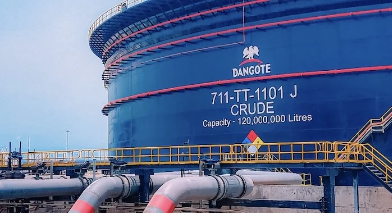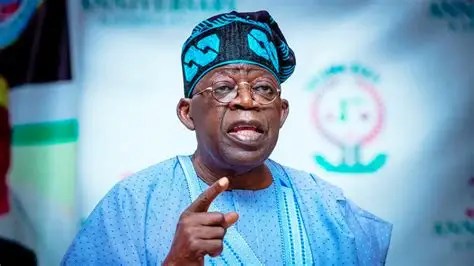
President Bola Tinubu has announced a sweeping ₦3.3 trillion waiver on fuel taxes and import duties as part of a comprehensive strategy to alleviate the severe economic pressure currently facing Nigerian households and businesses. Revealing the intervention on Sunday via his official X account, the President outlined this massive tax relief as a critical buffer against the relentless surge in premium motor spirit (PMS) prices.
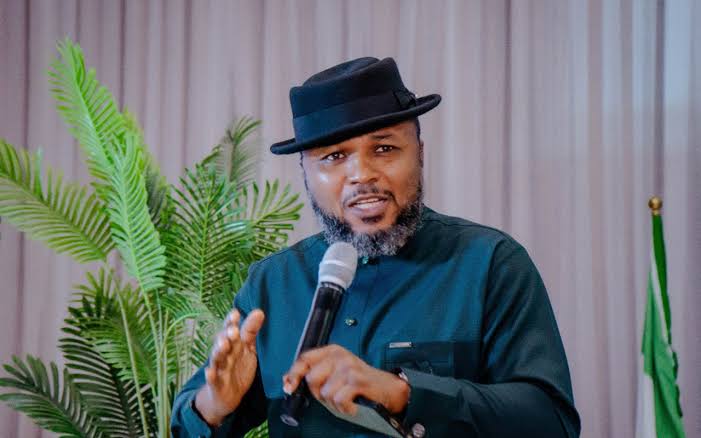
In tandem with the tax waiver, the Nigerian National Petroleum Company (NNPC) Retail will suspend its customary profit margins for a 30-day period. This temporary concession is designed to offer immediate financial relief, particularly targeting public transportation operators. Finance and Coordinating Minister of the Economy, Taiwo Oyedele, clarified that this margin absorption does not constitute a return to the controversial petrol subsidy. Instead, the discount is being entirely financed through NNPC’s internal commercial margins rather than draining the Federation Account. Furthermore, the federal government is actively negotiating with local refiners and fuel importers to establish a wholesale petrol supply cost ceiling of ₦1,350 per litre, a move aimed at stabilizing the market and curbing extreme price volatility.
Accelerating Alternative Energy Transport
Recognizing that the historic removal of the petrol subsidy on May 29, 2023, triggered widespread economic hardship, President Tinubu emphasized the government's mandate to engineer sustainable, long-term transportation alternatives. Central to this recovery plan is the aggressive rollout of Compressed Natural Gas (CNG) and electric-powered vehicles across the federation to drive down logistical costs.
The initiative is already yielding tangible results at the state level. Ekiti State recently inaugurated 15 CNG buses, prompting Governor Biodun Oyebanji to announce a 50 percent fare reduction on designated transit routes. Other states are aggressively expanding their fleets: Akwa Ibom has prepared 50 buses for service, Lagos has received 20, and Kano has secured 30 CNG buses alongside five electric variants. Katsina State has taken a hybrid approach, introducing 30 CNG buses and 200 electric tricycles, with Edo State scheduled for the next phase of deployment. The administration aims to expand this infrastructure by deepening partnerships with both state governments and private sector investors.
Fiscal Prudence and Political Accountability
While defending his administration's difficult economic reforms, President Tinubu asserted that macroeconomic indicators are turning positive, pointing to improved national growth projections and a substantial increase in statutory allocations to federal and state coffers. However, he frankly acknowledged that these macroeconomic victories have not yet sufficiently improved the daily living conditions of average citizens. To bridge this gap, the administration has successfully distributed targeted cash transfers to over 10 million vulnerable households and is accelerating interventions in agricultural productivity, affordable healthcare, and public education.
With increased federation allocations now flowing to sub-national governments, the President issued a strong directive to state governors, urging them to exercise strict fiscal prudence and channel their enhanced revenues into legacy projects that directly elevate citizen welfare. Looking ahead to the political horizon and upcoming election cycles, Tinubu challenged political aspirants to base their economic promises on reality. He stated that anyone seeking leadership must present credible, sustainable plans, publicly detailing exactly how their proposed policies will be funded without compromising the nation's fiscal future.