Introduction
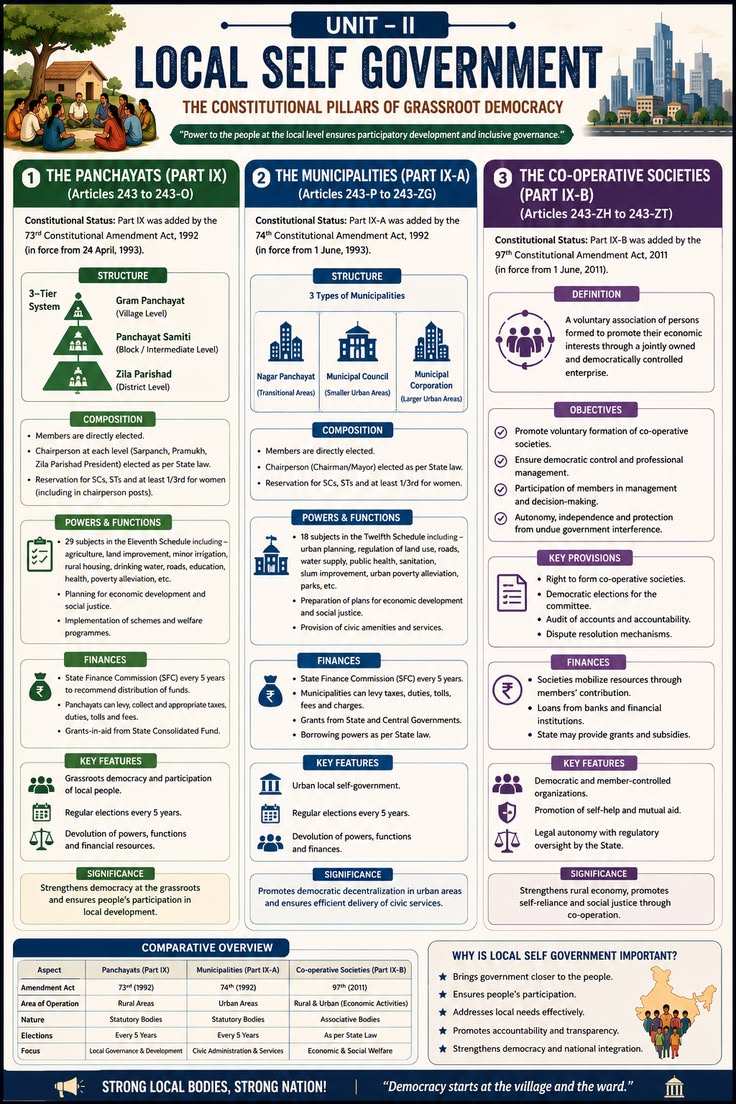
Local government is an important part of the government system because it brings leadership and public services closer to the people. It helps communities address their daily needs, improve living conditions, and participate in decisions that affect their lives.
In Nigeria, government operates at three main levels: federal, state, and local government. While the federal government handles national matters and state governments manage many state-level responsibilities, local governments focus on issues that directly affect towns, villages, neighbourhoods, and local communities.
For example, residents may need better drainage, cleaner streets, improved market facilities, accessible health centres, or repairs to local roads. The local government can help identify these needs, plan projects, and work with state agencies, community leaders, and residents to provide solutions.
Local government councils do not have sole responsibility for every public service. Some areas, including primary healthcare and education, require cooperation with state and federal institutions. Nevertheless, local government remains an important partner in community development.
This article explains 10 ways local government helps communities, with practical examples and an explanation of why local participation matters.
1. Construction and Maintenance of Local Roads
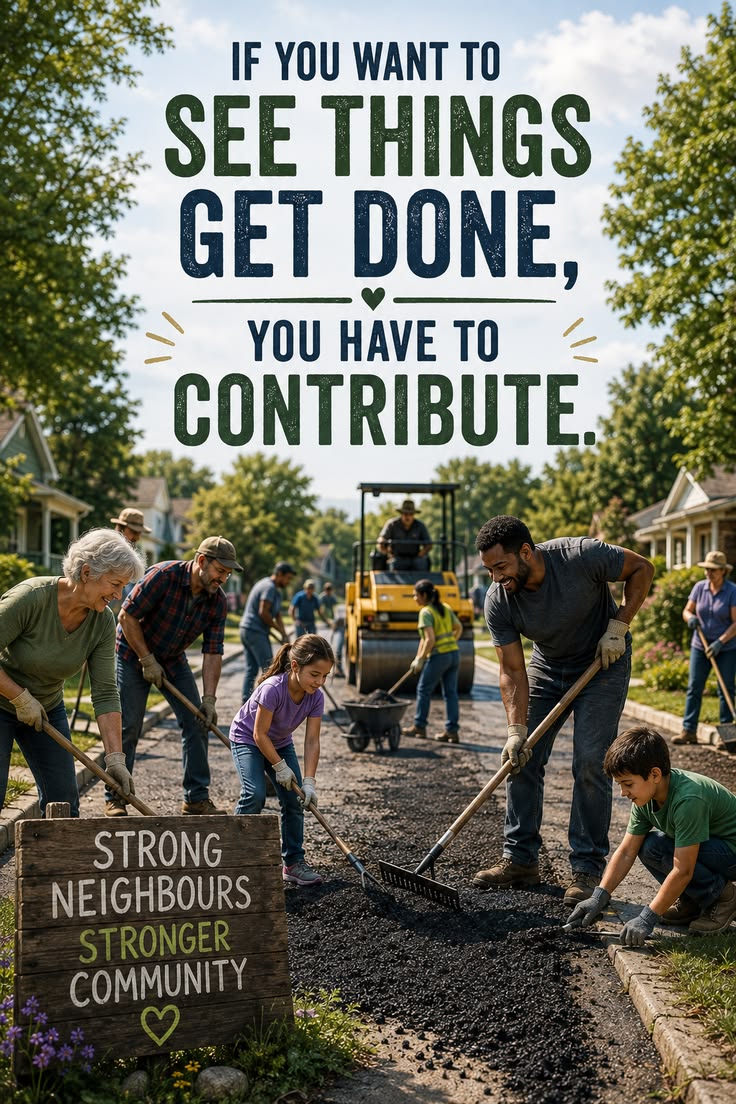
One of the major ways local government helps communities is by constructing and maintaining local roads.
Good roads make it easier for residents to travel to work, attend school, visit health centres, and transport goods to markets. In rural communities, accessible roads can be especially important for farmers who need to move crops from farms to buyers.
For example, if a road connecting a village to a nearby town becomes damaged, farmers may find it difficult to transport tomatoes, cassava, maize, and other produce. A local government council can identify the problem and undertake repairs where the road falls within its responsibilities.
Local councils may also work to improve drainage, maintain public streets, and provide streetlights where resources and authority permit.
However, major highways and some urban roads may fall under state or federal authorities. Effective local government therefore requires coordination with the appropriate agencies.
2. Promotion of Cleanliness and Environmental Sanitation
A clean environment is essential for healthy and comfortable living. Local governments can help communities maintain cleanliness by organising waste disposal, supporting sanitation campaigns, maintaining public conveniences, and addressing environmental problems.
Poor waste management can block drains, contribute to flooding, attract pests, and create unpleasant living conditions. Local councils can work with waste management companies, community organisations, and residents to improve waste collection and disposal.
For example, a council may organise a community sanitation campaign to clear illegal dumping areas, clean public spaces, and educate residents about proper waste disposal.
Local government can also help identify blocked drains and areas where stagnant water may encourage mosquitoes to breed.
Residents have an important role to play as well. They should avoid dumping rubbish in gutters, keep their surroundings clean, and follow applicable sanitation regulations.
When local authorities and residents work together, communities can become cleaner, safer, and more attractive.
3. Support for Primary Healthcare
Local government can contribute to improving access to basic healthcare, particularly through local health facilities and community-based health initiatives.
Primary healthcare services help people receive essential care close to where they live. Depending on local arrangements, services may include immunisation, maternal and child healthcare, health education, treatment of minor illnesses, and referrals to hospitals.
For example, a family living in a rural community may need to visit a nearby primary healthcare centre for childhood vaccinations or antenatal care. A well-supported facility can make these services easier to access than travelling long distances to a major hospital.
Nigeria's National Primary Health Care Development Agency works with state governments, local government areas, and other partners to strengthen primary healthcare services. Its Community Health Influencers, Promoters and Services programme also supports community-level health education and referrals.
Local councils can help identify gaps in service delivery, support community health activities, and work with state health authorities to improve facilities and access to care.
The effectiveness of these services depends on adequate funding, qualified health workers, essential medicines, and cooperation between the different levels of government.
4. Improvement of Local Markets and Economic Activities
Markets are important centres of economic activity. They allow farmers, traders, artisans, and small business owners to sell goods and earn a living.
Local governments can help improve markets by maintaining market facilities, supporting sanitation, providing public conveniences, and regulating certain local trading activities within their legal authority.
For instance, a market with damaged stalls, poor drainage, and inadequate waste collection may become difficult for traders and customers to use. A local council can assess these problems and plan improvements according to available resources.
Well-maintained markets can help traders serve customers more effectively and provide consumers with more convenient places to purchase food, clothing, and household goods.
Local government can also support small businesses through information services, local enterprise initiatives, and fair administration of relevant permits and fees.
When markets operate in a clean and organised environment, they can support livelihoods and strengthen the local economy.
5. Support for Education and Learning
Education is essential for individual development and the progress of a community. Local governments can support education through community projects, school-related services, adult learning initiatives, and cooperation with state education authorities.
In Nigeria, responsibilities for primary education are shared across levels of government and may vary according to the arrangements in each state. Local government councils can help identify problems affecting schools and work with the relevant education agencies to address them.
For example, a community may report that a primary school needs classroom repairs, desks, toilets, or improved access roads. The local council can help raise the issue with the appropriate authorities and support improvements within its responsibilities and budget.
Local governments may also support educational awareness campaigns, community libraries, adult literacy activities, or youth skills programmes where such initiatives are available.
Improving access to education gives children and young people a better opportunity to develop the knowledge and skills needed for employment and responsible citizenship.
6. Provision of Drainage and Flood Prevention Measures
Flooding is a serious concern in many Nigerian communities, particularly during periods of heavy rainfall. Poor drainage, blocked waterways, uncontrolled construction, and inadequate waste disposal can increase the risk of flooding.
Local governments can help by maintaining drainage systems, clearing blocked drains where authorised, identifying areas prone to flooding, and educating residents about environmental safety.
For example, if rainwater regularly collects around homes and shops because a drainage channel is blocked, the council can inspect the area and arrange appropriate maintenance. It may also work with state agencies when larger engineering projects are required.
Proper drainage helps protect houses, roads, markets, and other public infrastructure. It can also reduce standing water and some environmental health risks.
However, preventing floods requires cooperation. Residents should avoid dumping waste in drainage channels, while authorities must enforce relevant regulations fairly and plan infrastructure according to local conditions.
7. Promotion of Agriculture and Rural Development
Agriculture supports many Nigerian households, especially in rural areas. Local government can contribute to agricultural development by identifying farmers' needs, sharing useful information, and working with agricultural extension services and other relevant agencies.
Farmers may require information about improved farming techniques, pest control, soil management, storage, processing, and market access.
For example, a local council can collaborate with agricultural officers to organise a meeting where farmers learn how to reduce post-harvest losses or improve the storage of harvested crops.
Local authorities can also help communities communicate their needs to state agricultural programmes and development partners.
Improved rural infrastructure, including accessible roads and functioning markets, can make it easier for farmers to transport and sell their produce.
Although local councils may not directly provide every agricultural service, their knowledge of local conditions can help ensure that support reaches the communities that need it.
8. Encouragement of Community Participation
Local government provides an opportunity for residents to express their concerns and contribute to decisions about community development.
People who live in a community often understand its problems better than outsiders. They know which roads are difficult to use, where flooding occurs, which public facilities need repairs, and what services are missing.
Local councils can engage residents through public meetings, community development associations, consultations, and other participation channels.
For example, before choosing a community project, a council could consult residents to determine whether they need a borehole, drainage improvements, a market renovation, or repairs to a local road.
Public participation helps authorities understand people's priorities and can reduce the risk of spending money on projects that do not address the most urgent needs.
Residents should also be able to ask questions about public spending and monitor the progress of projects.
When communities participate meaningfully in local decisions, development can become more responsive to people's needs.
9. Support for Vulnerable People and Social Welfare
Local government can help identify vulnerable residents and connect them with relevant assistance.
These residents may include older people, people with disabilities, low-income households, or individuals facing difficult personal circumstances. The type of support available depends on local budgets, programmes, and cooperation with state or federal agencies.
For example, a council may work with social welfare departments or community organisations to identify households that need assistance, refer residents to available services, or organise community support activities.
Local government can also help share information about educational assistance, healthcare services, food support, and other programmes administered by the appropriate authorities.
Effective support requires fair selection processes and clear information about eligibility. Public resources should be distributed transparently rather than based on personal connections or political favouritism.
By paying attention to vulnerable residents, local authorities can help make community development more inclusive and ensure that disadvantaged groups are not overlooked.
10. Maintenance of Public Facilities and Local Administration
Communities depend on public facilities such as markets, motor parks, public toilets, parks, cemeteries, and other shared spaces. Local government councils have responsibilities relating to several of these facilities under Nigeria's constitutional framework.
Proper maintenance helps keep public places useful, safe, and accessible.
For example, a motor park with poor sanitation and damaged facilities may create difficulties for passengers, drivers, traders, and nearby residents. Local authorities can work to improve cleanliness, maintain facilities, and administer relevant local regulations.
Local government also performs important administrative functions. Depending on applicable laws and local arrangements, these may include registering births and deaths, naming streets, numbering houses, and collecting certain local rates and fees.
These services may appear routine, but they can make everyday life easier. Accurate records can help residents access other services, while properly maintained public spaces support trade, transport, and social interaction.
Good administration also requires respectful treatment of residents, clear procedures, and accountability for public funds.
Challenges Facing Local Governments in Nigeria
Although local government can contribute greatly to community development, several challenges may limit its effectiveness.
Inadequate funding
Limited financial resources can make it difficult to repair roads, maintain health facilities, improve drainage, and provide other services.
Poor accountability
Weak financial controls, unclear procurement processes, or inadequate public oversight can reduce the value communities receive from public spending.
Insufficient infrastructure
Some communities have long-standing needs involving roads, electricity, drainage, water supply, schools, and healthcare facilities.
Limited community participation
When residents are not consulted, councils may fail to understand the problems that matter most to local people.
Coordination problems
Some responsibilities are shared across local, state, and federal institutions. Poor coordination can delay projects or leave residents uncertain about which authority is responsible.
Addressing these challenges requires transparent budgeting, effective planning, stronger monitoring, community participation, and cooperation between all levels of government.
How Can Residents Help Their Local Government?
Community development is not the responsibility of government alone. Residents can support local progress in several practical ways:
-
Attend community meetings and share local concerns.
-
Report damaged roads, blocked drains, and waste disposal problems.
-
Keep homes, shops, and public spaces clean.
-
Ask for clear information about budgets and community projects.
-
Participate in lawful community development activities.
-
Pay legitimate local fees and rates where applicable.
-
Monitor public projects and report suspected misuse of funds through appropriate channels.
-
Cooperate with health, sanitation, education, and environmental programmes.
When residents participate responsibly, they help local authorities understand community needs and improve the use of public resources.
Frequently Asked Questions (FAQs)
What is the main role of local government?
The main role of local government is to administer local affairs and help provide services that meet the needs of communities. These can include local roads, waste disposal, markets, public facilities, and support for community development.
How does local government help rural communities?
It can support local road maintenance, sanitation, markets, agricultural development, community projects, and access to basic services in cooperation with relevant agencies.
How does local government improve public health?
It can support local sanitation, health education, community health initiatives, and primary healthcare services through arrangements with state health authorities and other partners.
Why is local government important in Nigeria?
It brings government closer to residents, helps identify local problems, supports essential services, and creates opportunities for community participation in development.
How can citizens hold local government accountable?
Residents can attend public meetings, request information about projects and budgets, monitor service delivery, use lawful complaint channels, and report suspected wrongdoing to the appropriate authorities.
Conclusion
Local government plays an important role in helping communities develop and improving the daily lives of residents. Through local roads, environmental sanitation, primary healthcare support, market maintenance, education-related initiatives, drainage, agricultural development, public participation, social welfare, and public administration, local councils can help communities become more organised and productive.
However, these benefits depend on effective leadership, adequate funding, transparent management, and cooperation with state and federal institutions. Residents also have a responsibility to participate in community affairs, protect public facilities, and hold their leaders accountable.
A successful local government listens to its people, understands their needs, manages public resources responsibly, and works with the community to create lasting improvements.
When local authorities and residents work together, communities have a stronger foundation for development, improved public services, and a better quality of life.
SEO Elements for WordPress
SEO Title: How Does Local Government Help Communities? 10 Key Roles
Focus Keyword: How does local government help communities?
Meta Description: Learn how local government helps communities through roads, sanitation, healthcare, education, markets, agriculture, social welfare, and community development in Nigeria.
URL Slug: how-local-government-helps-communities
Related Keywords: Role of local government in Nigeria, functions of local government, local government and community development, importance of local government, community services in Nigeria.
Suggested WordPress Tags: Local Government, Community Development, Nigeria, Public Services, Local Administration, Rural Development, Governance.