Introduction
African footballers have become an important part of European football. From the English Premier League to Spain's La Liga, Italy's Serie A, Germany's Bundesliga, and France's Ligue 1, players from Africa continue to demonstrate their talent, compete for trophies, and attract attention from supporters around the world.
Countries such as Nigeria, Senegal, Morocco, Egypt, Ivory Coast, Cameroon, Ghana, Algeria, Mali, and the Democratic Republic of the Congo have produced players who compete at the highest levels of professional football. Many others play for clubs in Portugal, the Netherlands, Belgium, Scotland, Turkey, Austria, and other European countries.
As of October 2026, African players are represented across Europe's leading competitions. Recent coverage of the 2026–27 UEFA Champions League has highlighted dozens of African players from more than 20 nationalities. Foot Africa's Champions League report provides further details about this representation.
This article explores some of the African footballers currently playing in Europe, the clubs and leagues they represent, their contributions to football, and the opportunities available to the next generation.
1. African Players in the English Premier League
The English Premier League is one of the most widely followed football competitions in the world. Its fast pace, international audience, and competitive clubs have helped make it an attractive destination for African footballers.
Some notable African players associated with the 2026–27 season include:
Bryan Mbeumo — Cameroon
Bryan Mbeumo represents Cameroon and plays for Manchester United. He is an attacking player known for his pace, movement, and ability to contribute goals. His performances show how African internationals can play important roles at major English clubs.
Amad Diallo — Ivory Coast
Amad Diallo is an Ivorian winger associated with Manchester United. His technical ability, dribbling, and creativity make him an example of the attacking talent African players bring to European football.
Yoane Wissa — Democratic Republic of the Congo
Yoane Wissa represents the Democratic Republic of the Congo and plays for Newcastle United. He is known for his attacking movement and finishing ability, making him a valuable option in the forward line.
Mohamed Belloumi — Algeria
Algerian winger Mohamed Belloumi has also attracted attention in England while playing for Hull City. His performances illustrate that African talent is not limited to the traditional title-contending clubs.
African footballers in England compete for league points, domestic cups, and European qualification. Their success also inspires young players who hope to build professional careers abroad.
2. African Players in Spain's La Liga
Spain's La Liga is famous for technical football, creative midfielders, and tactically organised teams. African players contribute to the competition in attacking, defensive, and midfield positions.
Ademola Lookman — Nigeria
Ademola Lookman is a Nigerian international who joined Atlético Madrid from Atalanta in February 2026. Before the transfer, he became particularly well known for his performances in Italy and his hat-trick in Atalanta's 2024 Europa League final victory.
Lookman's career demonstrates how strong performances in one European league can create opportunities in another. His speed, direct running, and finishing make him an important example of Nigerian talent in European football.
Chidera Ejuke — Nigeria
Chidera Ejuke has represented Sevilla in Spain. He is an attacking winger known for his close control and dribbling. Players with these qualities can help teams create chances against organised defences.
Umar Sadiq — Nigeria
Umar Sadiq has also played for Valencia in La Liga. As a striker, his role involves attacking the penalty area, competing for aerial balls, linking with teammates, and converting scoring opportunities.
Club registrations and transfers can change during a season, so readers should check official club announcements for the latest information.
3. African Players in France's Ligue 1
France has long had strong football connections with Africa. Many French clubs recruit players from African countries and from European academies where African-born or African-heritage footballers develop their skills.
Achraf Hakimi — Morocco
Achraf Hakimi plays for Paris Saint-Germain. He is one of Morocco's most prominent footballers and is known for his pace, attacking runs, and ability to contribute from the right side of defence.
Hakimi's career has included spells at major European clubs, and his experience demonstrates how African defenders can become influential players in elite teams.
Mama Baldé — Guinea-Bissau
Mama Baldé represents Guinea-Bissau and plays for Brest. He is an attacking player whose pace and movement can help create opportunities in the final third.
Ligue 1 offers opportunities for players at different stages of their careers, including established internationals and emerging talents. African footballers contribute to the league's competitiveness while gaining experience against strong opposition.
4. African Players in Germany's Bundesliga
Germany's Bundesliga is known for energetic football, strong supporter culture, and an emphasis on developing young players. African footballers have made significant contributions to German clubs over many seasons.
Ismael Saibari — Morocco
Ismael Saibari has been associated with Bayern Munich for the 2026–27 season. The Moroccan midfielder is an example of the technical and creative players who can help control possession and support attacks.
Terem Moffi — Nigeria
Nigerian striker Terem Moffi joined Hamburg from Nice in August 2026. His move provides another example of an African forward continuing his career in a different European league.
The Bundesliga can provide opportunities for African players to improve their tactical awareness, physical performance, and ability to compete against high-level opposition.
5. African Players in Italy's Serie A
Italy's Serie A has a long history of featuring African footballers. The competition is often associated with tactical organisation, defensive discipline, and detailed preparation.
Samuel Chukwueze — Nigeria
Samuel Chukwueze is a Nigerian winger associated with AC Milan. He is known for his speed, dribbling, and ability to attack defenders in one-on-one situations.
Wingers like Chukwueze can stretch opposing defences, create space for teammates, and deliver dangerous balls into the penalty area.
Other African Players in Italy
Serie A and Italy's other professional divisions have featured players from Nigeria, Senegal, Ivory Coast, Morocco, Ghana, and several other African countries.
Their roles vary widely. Some are goalkeepers and defenders responsible for stopping attacks, while others operate in midfield or lead the forward line. This diversity shows that African football development extends across every position on the pitch.
6. African Stars Playing in Turkey and Other European Leagues
African footballers do not play only in the five most widely discussed European leagues. Turkey, Portugal, the Netherlands, Belgium, Austria, Scotland, and other countries also provide important opportunities.
Turkey's Süper Lig, for example, includes prominent African internationals.
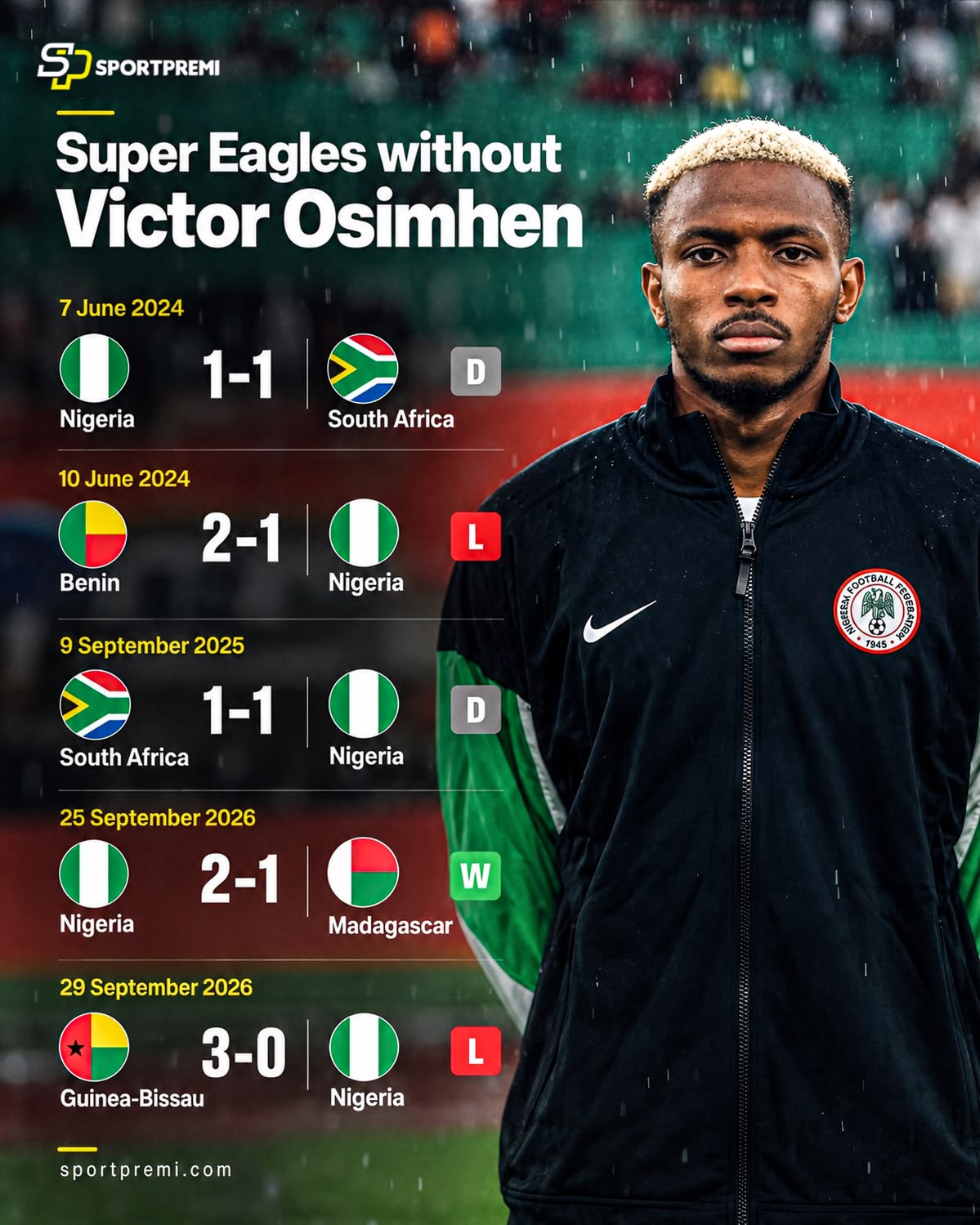
Victor Osimhen — Nigeria
Victor Osimhen plays for Galatasaray in Turkey. The Nigerian striker is known for his speed, physical strength, movement, and ability to score goals.
Osimhen has attracted international attention through his performances for club and country. His career illustrates how top African players can make an impact outside England, Spain, Italy, Germany, and France.
Wilfred Ndidi — Nigeria
Wilfred Ndidi plays for Beşiktaş. He is a defensive midfielder whose responsibilities include winning possession, disrupting opposition attacks, protecting the defence, and helping his team regain control of the game.
Paul Onuachu — Nigeria
Paul Onuachu represents Trabzonspor. The striker is known for his height and aerial ability, which can make him particularly effective when teams deliver crosses into the penalty area.
Other African players compete in Portugal's Primeira Liga, the Dutch Eredivisie, Belgium's professional divisions, and Scotland's Premiership. These leagues are important pathways for young footballers seeking regular playing time and experience.
7. African Players in European Women's Football
African representation in Europe is not limited to men's football. Women footballers from Africa also compete for professional clubs and develop their careers in European leagues.
Nigeria's Super Falcons have produced players who represent clubs in France, England, Spain, Italy, Portugal, Sweden, and other countries.
Examples include:
-
Rasheedat Ajibade — Nigeria: A forward known for her energy, movement, and attacking contributions.
-
Jennifer Echegini — Nigeria: A midfielder whose career illustrates the growing opportunities for African women in European club football.
-
Chiamaka Nnadozie — Nigeria: A goalkeeper recognised for her shot-stopping and experience in international football.
-
Halimatu Ayinde — Nigeria: A midfielder who has represented Nigerian football in international competitions and played club football in Europe.
Women players contribute to the development and visibility of African football. Their achievements can encourage girls to participate in football and pursue professional opportunities.
For the latest club registrations, readers should consult official team websites and national football federation announcements.
8. Why Do African Players Move to Europe?
There are several reasons African footballers pursue careers in European leagues.
Professional development
European clubs often provide structured training, specialised coaching, sports science, and access to high-level competition. These resources can help players improve their technical, tactical, and physical abilities.
International exposure
Playing in a widely followed league can increase a player's visibility among supporters, scouts, national team coaches, and potential future clubs.
Financial opportunities
Professional contracts can provide players with salaries and career opportunities that may be difficult to access in their home leagues. However, wages vary greatly depending on the club, competition, contract, and player's experience.
Competition and trophies
European clubs compete in domestic leagues, cup competitions, and tournaments organised by UEFA. African players may have opportunities to win major trophies and test themselves against elite opponents.
Career progression
Some footballers move from smaller European clubs to larger teams after strong performances. Others develop through youth academies or use European leagues as a route to gain experience before moving elsewhere.
9. Challenges African Footballers May Face in Europe
Despite the opportunities, moving abroad can be difficult.
Adapting to a new culture: Players may need to learn a new language, adjust to unfamiliar food, and live far from family and friends.
Competition for places: European clubs often recruit players from around the world. African footballers must compete for starting positions and regular playing time.
Injuries and fitness: Professional football involves demanding training schedules and a high risk of injury. Players need suitable medical support, recovery routines, and physical preparation.
Discrimination: Racism and other forms of discrimination remain concerns in football. Clubs, leagues, and governing bodies have a responsibility to take complaints seriously and protect players.
Pressure and expectations: Supporters and media may expect players to perform consistently. Managing criticism, pressure, and uncertainty is part of a professional footballer's career.
Strong coaching, family support, responsible agents, and appropriate welfare services can help players manage these challenges.
10. The Future of African Footballers in Europe
The future looks full of opportunities, although success will depend on investment, development, and access to quality training.
African academies and local clubs can help prepare young players by improving coaching, education, nutrition, fitness, and competitive opportunities. Partnerships with professional clubs may also create pathways for talented players to progress.
European clubs will continue to assess players from different regions, while African footballers will seek opportunities that match their skills and career goals.
It is also important to support African leagues and local football infrastructure. Players should have opportunities to develop at home rather than feeling that moving abroad is the only route to a successful career.
The growth of women's football, improved scouting networks, and increased international coverage may create additional opportunities for players across the continent.
Frequently Asked Questions (FAQs)
1. Which African players are currently playing in Europe?
Examples from the 2026–27 season include Achraf Hakimi of Morocco at Paris Saint-Germain, Victor Osimhen of Nigeria at Galatasaray, Ademola Lookman of Nigeria at Atlético Madrid, Bryan Mbeumo of Cameroon at Manchester United, and Samuel Chukwueze of Nigeria at AC Milan. Club details should be checked for the latest changes.
2. Which African country has the most players in Europe?
There is no single answer that applies to every league and competition. Morocco, Nigeria, Senegal, Ivory Coast, Cameroon, Ghana, and Algeria all have players across European football. The ranking depends on whether the count includes only top divisions, all professional leagues, or players with African heritage who represent other national teams.
3. Do African players play in all the major European leagues?
Yes. African footballers are represented in England's Premier League, Spain's La Liga, Italy's Serie A, Germany's Bundesliga, and France's Ligue 1, as well as numerous other European competitions.
4. Are African women footballers playing in Europe?
Yes. Nigerian and other African women's national team players compete for European clubs. Their opportunities vary by country, league, club, and season.
5. Why are European clubs interested in African players?
Clubs recruit players from Africa for a range of reasons, including technical ability, athletic qualities, tactical potential, and performances at youth and senior levels. Recruitment decisions depend on each club's needs and the individual player's development.
Conclusion
African footballers are an important part of European football in 2026. Players from Nigeria, Morocco, Cameroon, Ivory Coast, Guinea-Bissau, and other countries compete across a wide range of leagues and clubs.
Names such as Achraf Hakimi, Victor Osimhen, Ademola Lookman, Bryan Mbeumo, Amad Diallo, and Samuel Chukwueze illustrate the diversity of African talent in Europe. Women footballers also continue to represent their countries at clubs across the continent.
European football offers African players opportunities to develop their skills, compete for trophies, and build professional careers. At the same time, players must manage intense competition, cultural adjustments, injuries, and other challenges.
As youth development and scouting continue to evolve, African footballers are likely to remain an important part of the European game. Their achievements demonstrate the value of talent, dedication, good coaching, and opportunities to compete at the highest level.
SEO Elements
SEO title: Which African Players Are Currently Playing in Europe? (2026 Guide)
Focus keyword: African players currently playing in Europe
Meta description: Discover African footballers playing in Europe in 2026, including stars in the Premier League, La Liga, Bundesliga, Serie A, Ligue 1, and Turkey.
Suggested URL slug: african-players-playing-in-europe
Related keywords: African footballers in Europe, African players 2026, Nigerian footballers abroad, African stars in the Premier League, African football players, African players in La Liga.
Suggested WordPress tags: African Football, European Football, African Players, Premier League, La Liga, Serie A, Bundesliga, Ligue 1, Nigerian Football.