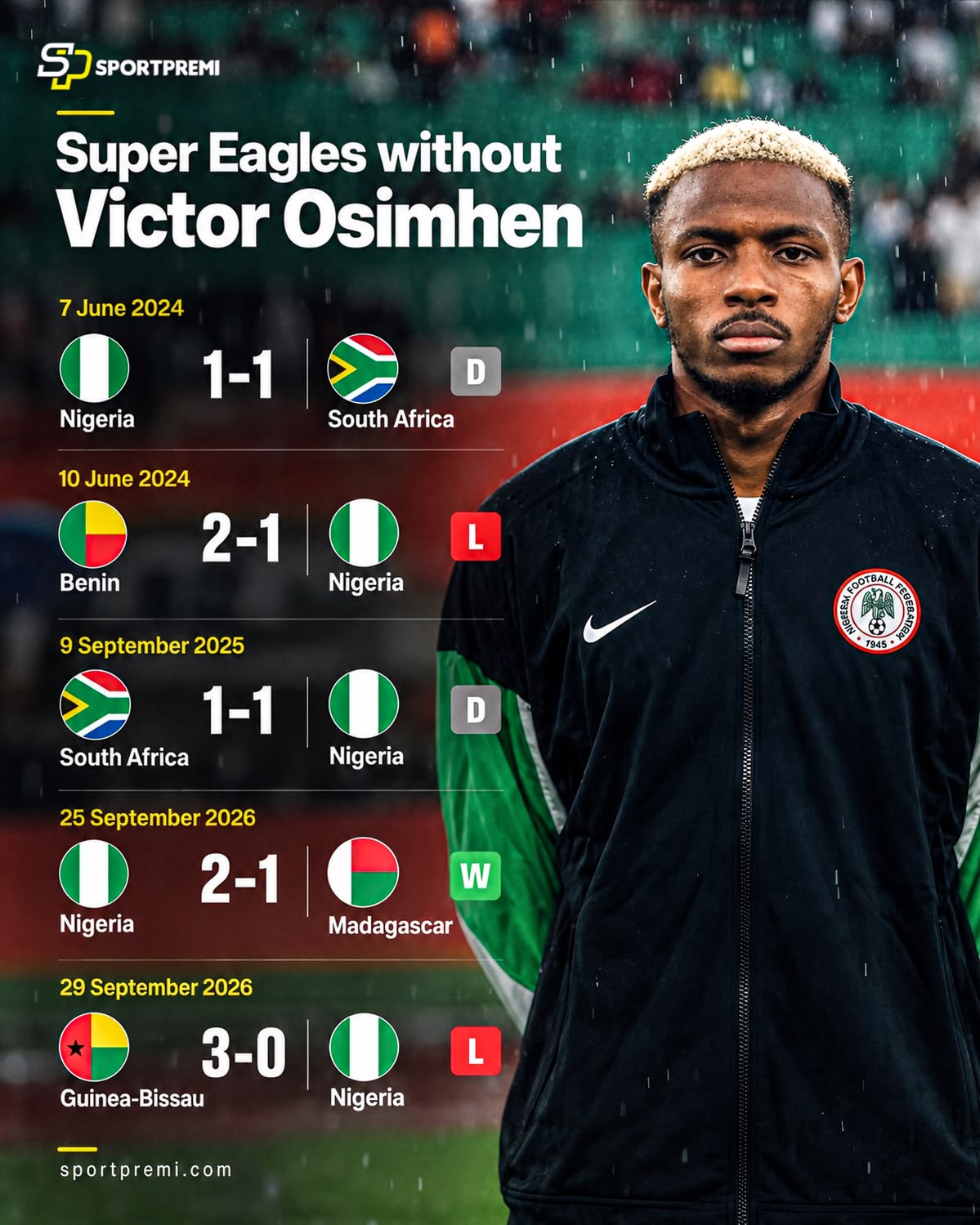
Football fans across Nigeria had high hopes of seeing the Super Eagles compete at the 2026 FIFA World Cup. With talented players such as Victor Osimhen, Ademola Lookman, Alex Iwobi, and Calvin Bassey, many supporters believed Nigeria had the quality to return to football's biggest international tournament.
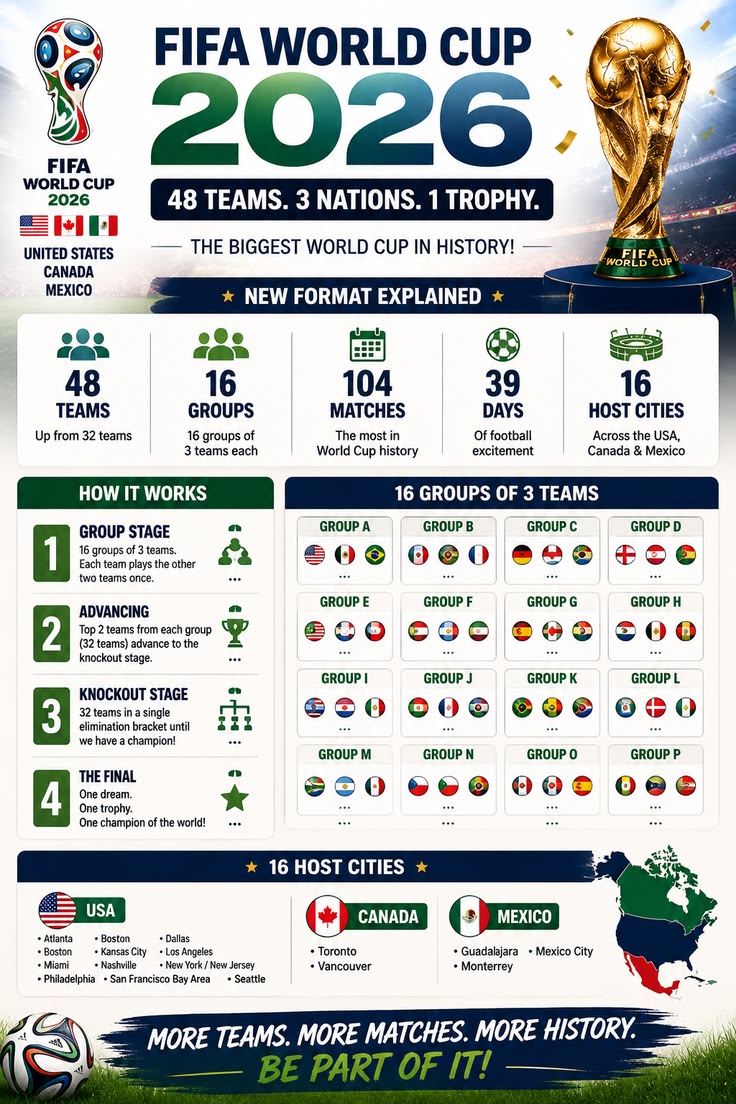
Unfortunately, Nigeria's World Cup dream ended after a painful defeat to the Democratic Republic of the Congo (DR Congo) in the African playoff final. The Super Eagles subsequently missed out on the 2026 tournament, which featured 48 national teams across Canada, Mexico, and the United States.
So, can Nigeria still qualify for the 2026 World Cup? No. The qualification process has concluded, and Nigeria is not among the 48 teams that qualified. FIFA's official list confirms that DR Congo secured Africa's place in the intercontinental playoff and ultimately qualified for the tournament.
Although the result was disappointing for Nigerian football fans, understanding what happened can help explain the challenges the Super Eagles faced and what the country needs to do before the next World Cup.
Why Did Nigeria Fail to Qualify for the 2026 World Cup?
Nigeria failed to secure automatic qualification during the African qualifying group stage and subsequently lost the opportunity to qualify through the playoff route.
The African qualifying competition offered nine direct places at the expanded 2026 World Cup. A further African team could qualify through the FIFA intercontinental playoff tournament.
Nigeria finished behind South Africa in its qualifying group. This meant the Super Eagles had to pursue an alternative route rather than qualify automatically.
The team earned a place in the African playoff competition by finishing among the four best runners-up. That gave Nigeria another opportunity, but it also meant the team had to win additional high-pressure matches.
Nigeria defeated Gabon in the playoff semi-final after extra time, keeping its World Cup hopes alive. However, the decisive match against DR Congo proved to be the final obstacle.
What Happened in the Nigeria vs DR Congo Playoff Final?
The match between Nigeria and DR Congo was crucial because the winner would advance to the intercontinental playoff tournament, where the final World Cup places would be decided.
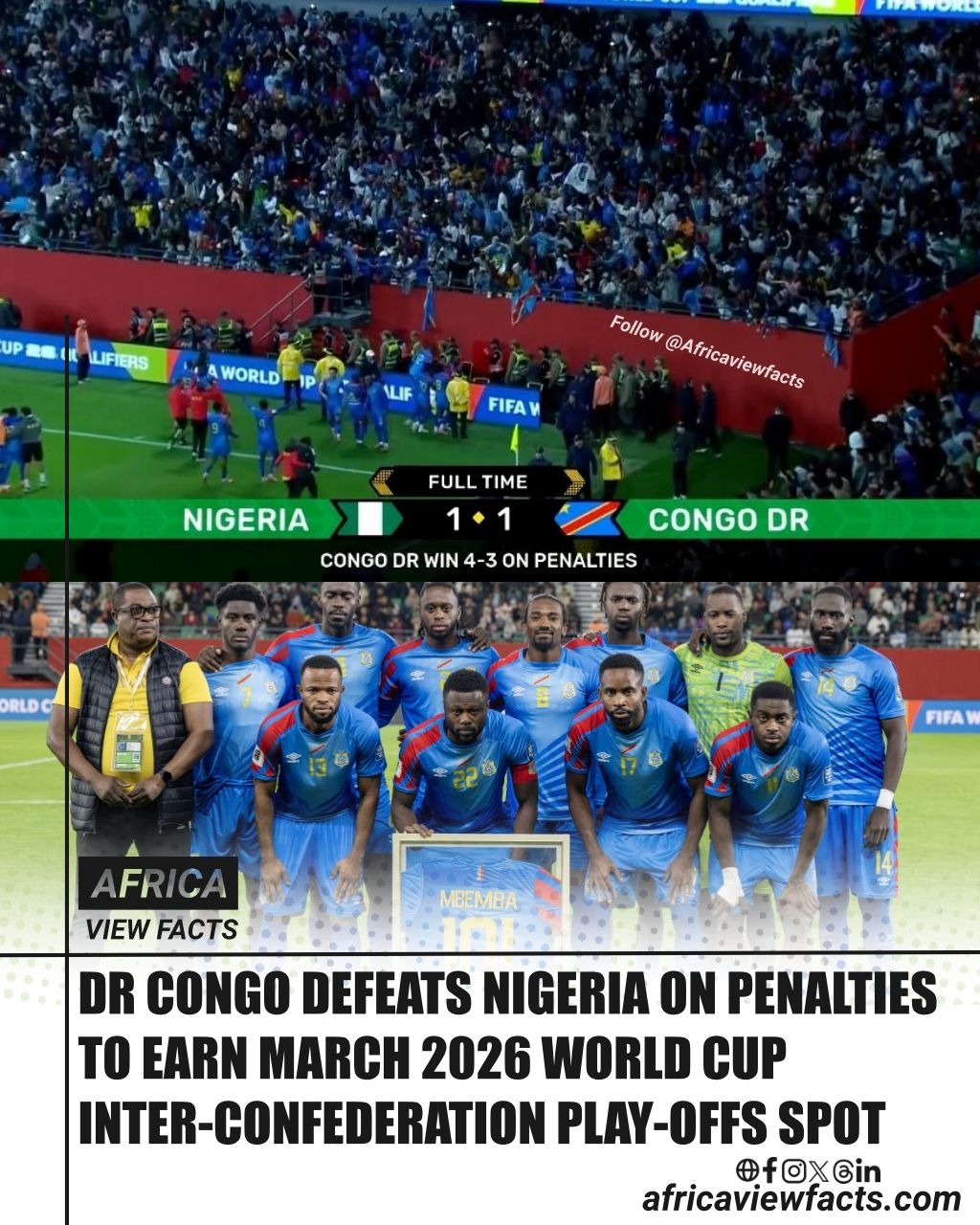
The game ended 1–1 after extra time, forcing the teams to decide the contest through a penalty shootout. DR Congo won the shootout 4–3, ending Nigeria's qualification campaign.
The defeat was especially painful because Nigeria had reached the final stage of the African playoff competition after working hard to recover from its group-stage difficulties.
For the players, coaches, and supporters, the result represented a major disappointment. The Super Eagles had talented individuals capable of competing against strong international opponents, but they could not complete the qualification journey.
DR Congo advanced to the intercontinental playoff tournament and eventually secured a place at the 2026 World Cup. Nigeria, meanwhile, was left outside the final list of qualified nations.
Did Nigeria Appeal the DR Congo Result?
Following the defeat, the Nigeria Football Federation (NFF) submitted a complaint to FIFA concerning the eligibility of certain DR Congo players.
The complaint raised hopes among some Nigerian supporters that an official ruling might reopen the qualification race. However, the protest did not result in Nigeria receiving a World Cup place.
Although the issue attracted considerable public discussion, a complaint or appeal does not automatically change a match result. FIFA must assess the evidence and apply its regulations before determining whether any action is justified.
The final qualification outcome remained unchanged: DR Congo secured the African playoff place and qualified for the 2026 World Cup, while Nigeria did not.
This episode highlights the importance of understanding the difference between an allegation, an investigation, and an official decision. Football fans should rely on confirmed announcements from FIFA and the relevant football associations when following disciplinary disputes.
Which African Countries Qualified for the 2026 World Cup?
Africa received ten places at the expanded 2026 tournament: nine direct qualification places and one additional place through the intercontinental playoff route.
The ten African countries that qualified were:
-
Algeria
-
Cabo Verde
-
DR Congo
-
Côte d'Ivoire
-
Egypt
-
Ghana
-
Morocco
-
Senegal
-
South Africa
-
Tunisia
Nigeria's absence from this list was a significant disappointment because the country has a long history of competing at the World Cup.
The qualification of Cabo Verde was particularly notable because it marked the country's first appearance at the men's FIFA World Cup. DR Congo also returned to the tournament for the first time since its previous appearance as Zaire in 1974.
These outcomes demonstrate that African qualifying has become increasingly competitive. Traditional football powers can no longer assume that their history or reputation will guarantee a place at the finals.
Why Was Missing the World Cup Such a Big Disappointment for Nigeria?
1. Nigeria has a strong World Cup history
Nigeria has competed at several previous men's World Cups and has developed a reputation for producing talented international players. Supporters naturally expected the Super Eagles to challenge for a place in the expanded 2026 competition.
Missing the tournament meant the country could not build on that history during this edition.
2. The team has talented players
Nigeria has players competing at respected clubs in Europe and elsewhere. Victor Osimhen, Ademola Lookman, Alex Iwobi, and other internationals have demonstrated their abilities at club level.
However, international qualification requires the entire team to perform effectively over a series of matches. Individual talent cannot guarantee success if the team struggles with consistency, tactical execution, or decisive moments.
3. The financial and commercial opportunities were lost
World Cup participation can create opportunities for football associations, sponsors, broadcasters, businesses, and players. Qualification also brings international attention to a country's football programme.
Missing the tournament meant Nigeria lost the opportunity to benefit directly from participating in the 2026 finals.
4. Young Nigerian fans missed an opportunity
Major international tournaments can inspire children to take up football and support their national team. The Super Eagles' absence was therefore disappointing not only for existing supporters but also for young fans hoping to see Nigeria compete on the world stage.
What Must Nigeria Do to Qualify for the Next World Cup?
Although the 2026 qualification campaign is over, Nigeria can use the experience to prepare for future competitions.
Improve consistency during qualifying matches
World Cup qualification requires teams to collect points throughout the campaign. Dropping points against opponents that could have been beaten can create enormous pressure during the final rounds.
Nigeria needs to approach every qualifying match with preparation, concentration, and a clear tactical plan.
Build a balanced team
A successful national team needs more than talented attackers. It also requires dependable defenders, effective midfielders, goalkeepers who perform under pressure, and substitutes capable of making an impact.
Building a balanced squad can help the Super Eagles compete more consistently against different opponents.
Develop young players
Nigeria has a large pool of young footballing talent. Strong youth academies, quality coaching, competitive domestic football, and effective scouting can help develop players who are ready for senior international competition.
Young players should receive opportunities based on their performances and readiness rather than their reputation alone.
Strengthen football administration
Clear planning, effective communication, and good organisation are essential to a successful national football programme. Football authorities must ensure that coaches and players have the preparation, support, and resources needed to compete effectively.
Learn from the playoff defeat
The loss to DR Congo should be examined carefully. Reviewing tactical decisions, player performance, preparation, and the team's response to pressure can help identify areas for improvement.
The purpose of such a review should be to learn from the experience and build a stronger team for future qualifying campaigns.
Will Nigeria Play at the Next World Cup?
Nigeria's next opportunity will be the qualification campaign for the 2030 FIFA World Cup. The Super Eagles will need to compete through the qualification process established for that tournament.
The precise route, opponents, and schedule will depend on the official qualification regulations and draw for the 2030 competition.
For Nigerian supporters, the focus now should be on rebuilding confidence, developing players, and improving the national team's overall performance. Missing one World Cup does not mean Nigeria cannot return to the competition in the future.
The country has a substantial football following, a history of producing talented players, and the potential to compete internationally. Turning that potential into qualification will require effective planning and consistent performances.
Conclusion
Nigeria can no longer qualify for the 2026 FIFA World Cup because the qualification process has ended. The Super Eagles lost to DR Congo on penalties after a 1–1 draw in the African playoff final, and DR Congo went on to secure a place at the tournament.
The result was disappointing for Nigeria, particularly given the quality of players available to the national team. Nevertheless, it also provides an opportunity to examine what went wrong and prepare more effectively for future competitions.
For Nigerian football to move forward, the priorities should include consistent performances, strong coaching, youth development, effective administration, and a balanced national team.
The 2026 World Cup dream is over for Nigeria, but the country's ambitions should not end there. With the right preparation and improvements, the Super Eagles can work towards returning to the world's biggest football stage in 2030.
Frequently Asked Questions (FAQs)
1. Can Nigeria still qualify for the 2026 World Cup?
No. Nigeria has been eliminated from the qualification process, and the final list of 48 qualified teams does not include the Super Eagles.
2. Why did Nigeria miss the 2026 World Cup?
Nigeria failed to qualify automatically from its African group and then lost to DR Congo in the African playoff final on penalties.
3. What was the score between Nigeria and DR Congo?
The match ended 1–1 after extra time. DR Congo won the penalty shootout 4–3.
4. Did Nigeria's protest against DR Congo change the result?
No. The complaint did not result in Nigeria receiving the qualification place. DR Congo remained the team that advanced to the intercontinental playoff route.
5. Which African countries qualified for the 2026 World Cup?
The qualified African nations were Algeria, Cabo Verde, DR Congo, Côte d'Ivoire, Egypt, Ghana, Morocco, Senegal, South Africa, and Tunisia.
6. When can Nigeria qualify for the World Cup again?
Nigeria's next opportunity will be the qualification campaign for the 2030 FIFA World Cup, subject to the official qualification schedule and regulations.
7. Does Nigeria have a chance of returning to the World Cup in the future?
Yes. Nigeria has a history of World Cup participation and continues to produce talented footballers. Future qualification will depend on preparation, consistent results, squad development, and effective football administration.